Future Trends in Commercial Heating and Hot Water Solutions
While trends are constantly evolving a number of future trends are shaping the future of commercial heating and hot water solutions in the market today. Not surprisingly the two most significant trends that have come out on top is disruption from the significant focus on sustainability in the market and the emergence of greater technology enablement. A significant driving force behind these trends is the rise in electricity prices which is creating greater volatility and uncertainty in the market. Therefore, this is placing greater focus on long-term efficiency and is becoming a primary focus for businesses across operations.
Disruption from the Significant Focus on Sustainability
Sustainable solutions are paving the way forward as a new normal for businesses. There are two main factors as to why businesses are considering more sustainable solutions across their operations.
- Firstly, consumers are more focused than ever on showing greater loyalty towards businesses who demonstrate that they are sustainable in nature and increasingly look for greater ways to improve sustainability across their operations.
- Secondly, greater clarity on policy and regulatory initiatives in place has influenced the shift. Initiatives such as the Boiler Upgrade Scheme and the Industrial Energy Transformation Fund are allowing businesses to consider more sustainable solutions. These types of initiatives help overcome some of the high initial costs of upgrading business’ heating and hot water solutions in place.
Sustainable heating solutions also contribute to business’ ESG initiatives allowing them to further meet their sustainability targets. ESG initiatives can be furthered simply by implementing and exploring hybrid and greater energy efficient solutions that use sustainable technologies.
Various types of sustainable commercial heating solutions are now entering the market anywhere from low carbon solutions, to hybrid systems and solutions that utilise renewable energy sources.
- Low Carbon Solutions: As they suggest these solutions generally reduce overall the cost of energy bills while also reducing the amount of carbon emissions from running the system.
- Hybrid Systems: Many new heating solutions in the market today are designed as hybrid systems. This means that these systems can handle being run by different types of fuels. For example, if different types of renewable energy sources are rolled out, these systems can work by being powered by a different fuel type eliminating the need for a new system to be installed.
A great example of this is Factory Heaters which can enable the use of hydrogen fuel if and when the time comes to make the transition. This ties directly to enabling businesses that are looking at ways they can future proof their operations and further work their way towards demonstrating their commitment to ESG goals.
- Heating Solutions Powered by Renewable Energy Sources: Lastly a number of solutions that utilise renewable energy sources are entering the market. These types of solutions range from systems such as solar thermal systems, biomass boilers, and geothermal heat pumps. Ultimately this allows businesses to reduce their sole reliance on fossil fuels and reduce the amount of carbon emissions from their use.
Overall while alternative solutions can be higher in cost to implement, it’s important for them to not be dismissed by businesses. This is due to the sustainability principles that they are built on and the potential to in fact reduce operational costs while also improving their sustainability efforts.
Emergence of Greater Technology Enablement in Commercial Heating Solutions
Technology is transforming the heating and hot water technology space dramatically. Particularly with newer technology in this space that is constantly evolving such as IoT, AI and machine learning. Heating solutions are continuously seeing elements such as digitalisation, data-driven process optimisation and other remote technologies being implemented allowing systems. This goes far beyond what they previously have been able to in the past.
These types of technologies include IoT, AI, cloud computing and edge analytics allow real-time monitoring to be implemented. In turn this allows these solutions and the operation of them to go from reactive to predictive monitoring. The pandemic accelerated the implementation of such technologies. Effectively this has accelerated their implementation and furthered their use to help with the overall operation with these systems and to simply the management of them.
Such technology can help on several levels such as advanced analytics, and predictive maintenance. This allows for failures or potential issues to be detected early and to be predicted. With these technologies in use, equipment data and parameters of use can be monitored proactively such as temperature, pressure, flow, and usage etc to help predict when maintenance is needed. This helps the systems to be used optimally and to extend the lifespan of these solutions.
While emerging technology can be beneficial to businesses, technology enabled features drive the greatest features of everyday use that significantly benefits users. Zone heating enables users to program and implement different temperature ranges and settings for certain areas. Therefore, the whole system doesn’t need to have the same temperature or settings in place. This enables businesses to save on costs when the use of heating is not required.
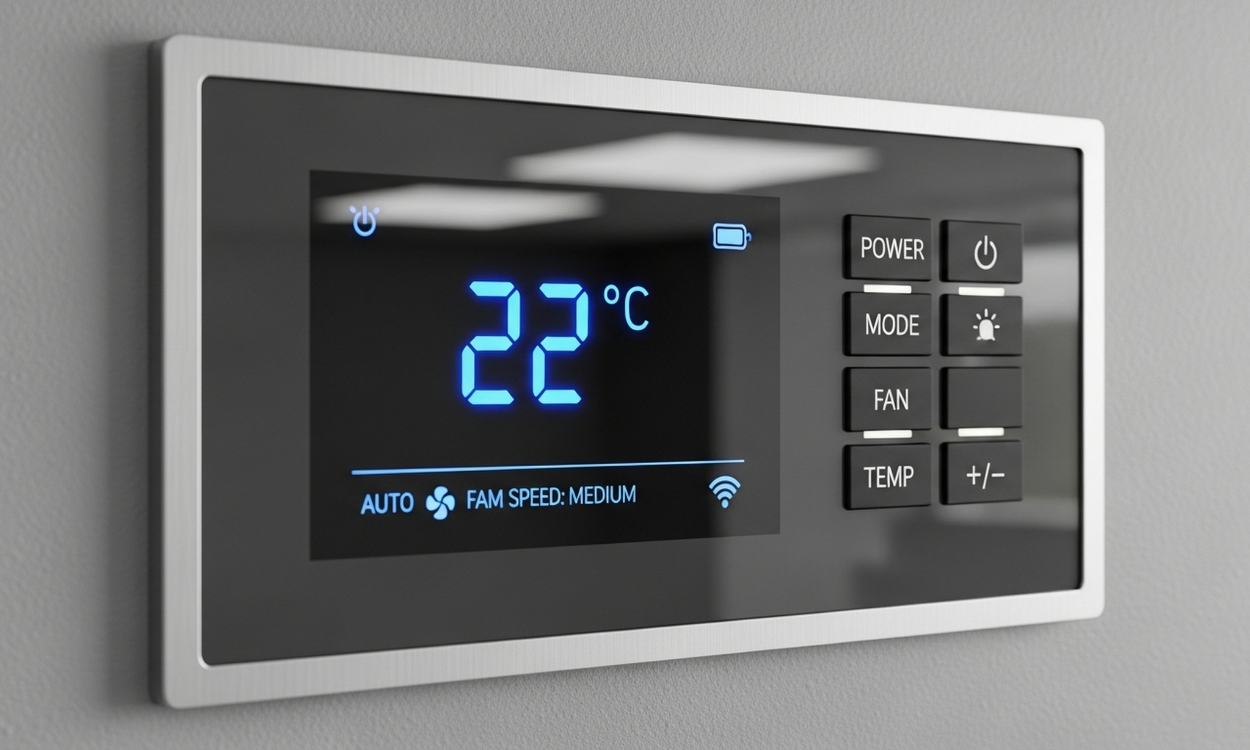
Smart thermostats are also being consciously implemented in this space enabling the use of sensor technology and algorithms to detect and learn patterns of use. This enables temperature and other associated settings to automatically adjust accordingly. In some cases, these solutions can also detect other factors such as occupancy, user preferences, and weather, ultimately allowing energy consumption and cost of operation to be reduced.
More energy efficient systems are consciously being introduced into the market. This is only further driving more efficient use of these solutions. In turn this allows for better performance, reduced energy consumption and emissions while expanding the lifespan of systems due to better usage and more informed usage.
Lastly many businesses are taking on the concept of the whole building approach. This is the notion of utilising solutions together to create a whole heating system that meets the entirety of their needs rather then only looking at solutions individually. This not only helps businesses select the right solutions but enables the systems to better work together.
An example of this is combining a heating system with destratification fans. The fans recirculate the rising heat back down to lower levels in the building making it a more comfortable environment for employees. This allows for systems to not have to overcompensate thereby working more efficiently and for carbon footprint to be reduced by businesses who upgrade their heating solutions.
Technology Driven Solutions for Commercial Heating
There are a variety of heating options readily available in the market, however the following solutions provided by Factory Heaters stand out as excellent choices for commercial environments.
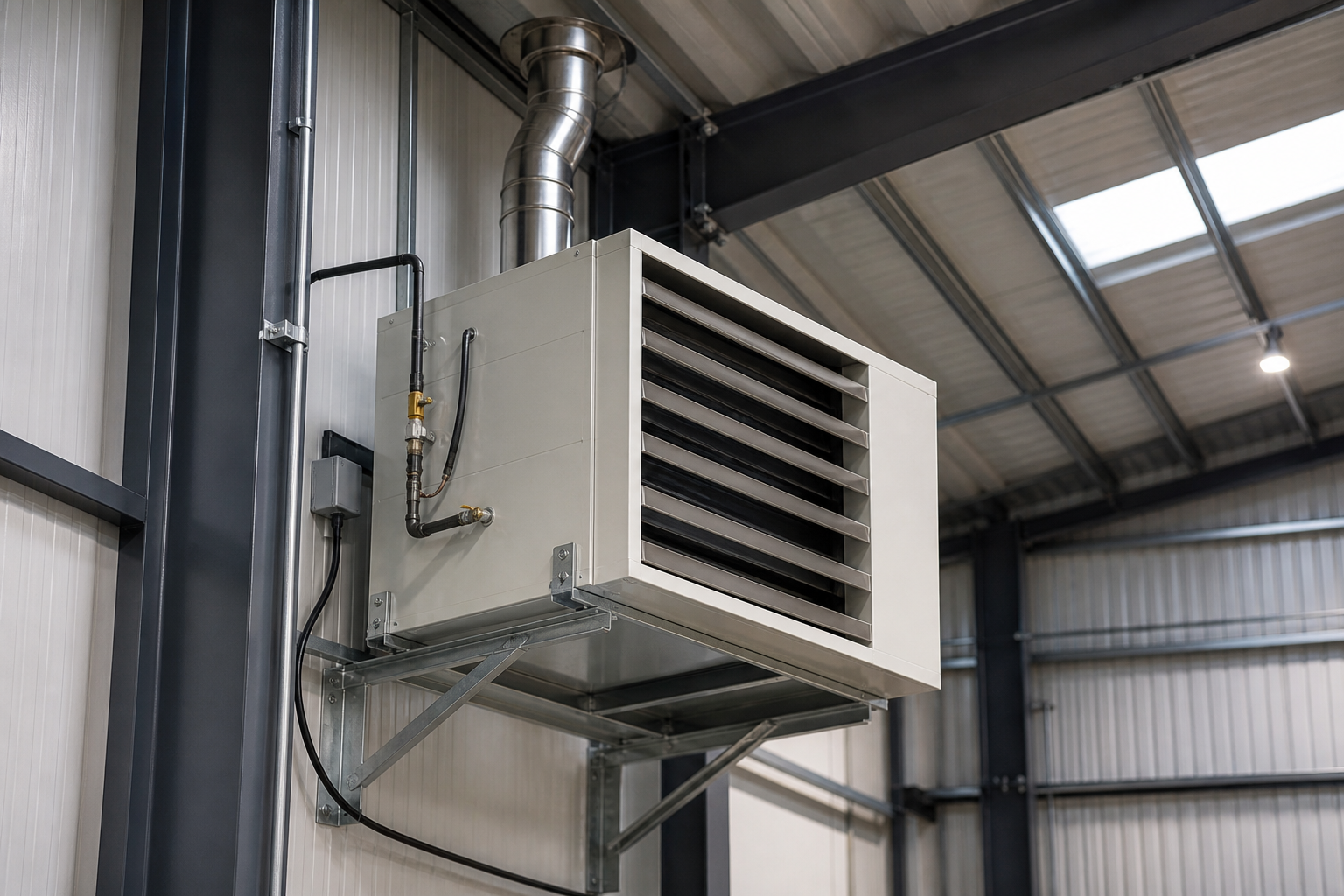
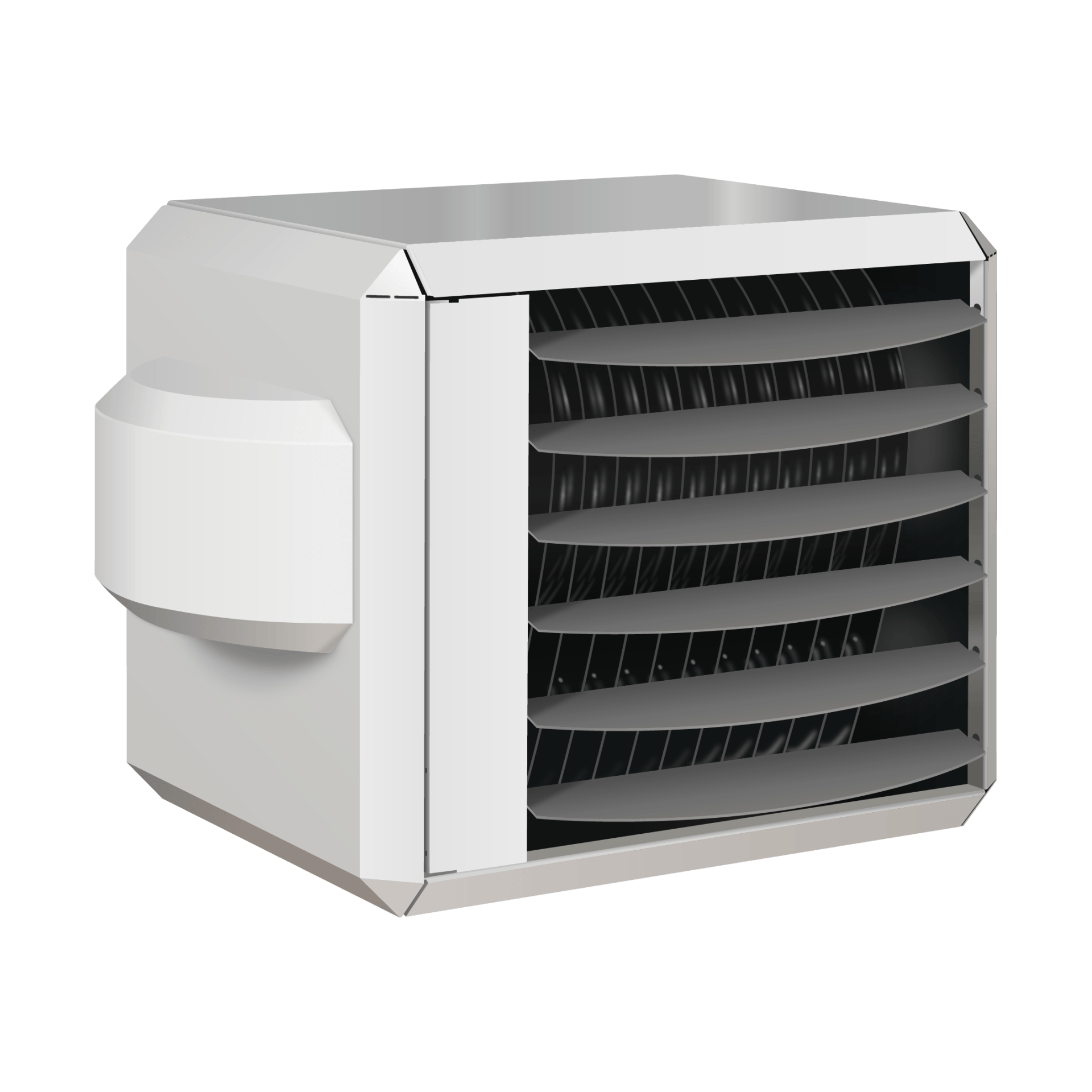
- Warm air heating systems are particularly well-suited for large commercial settings. These systems operate by warming air using a heat exchanger before distributing it throughout the facility via fans and ductwork. Their key benefits include quick and even heat distribution, straightforward installation and upkeep, and adaptability to different fuel sources.
- Another highly effective option is radiant heating. Radiant heaters use infrared heat to directly warm people and objects beneath them, rather than just the air. This makes them ideal for spaces with high ceilings, poor insulation, or areas that are frequently open to the outdoors. The primary strengths of radiant heating are its targeted delivery, high energy efficiency, and low maintenance requirements. This makes it a cost-effective solution for many industrial applications.
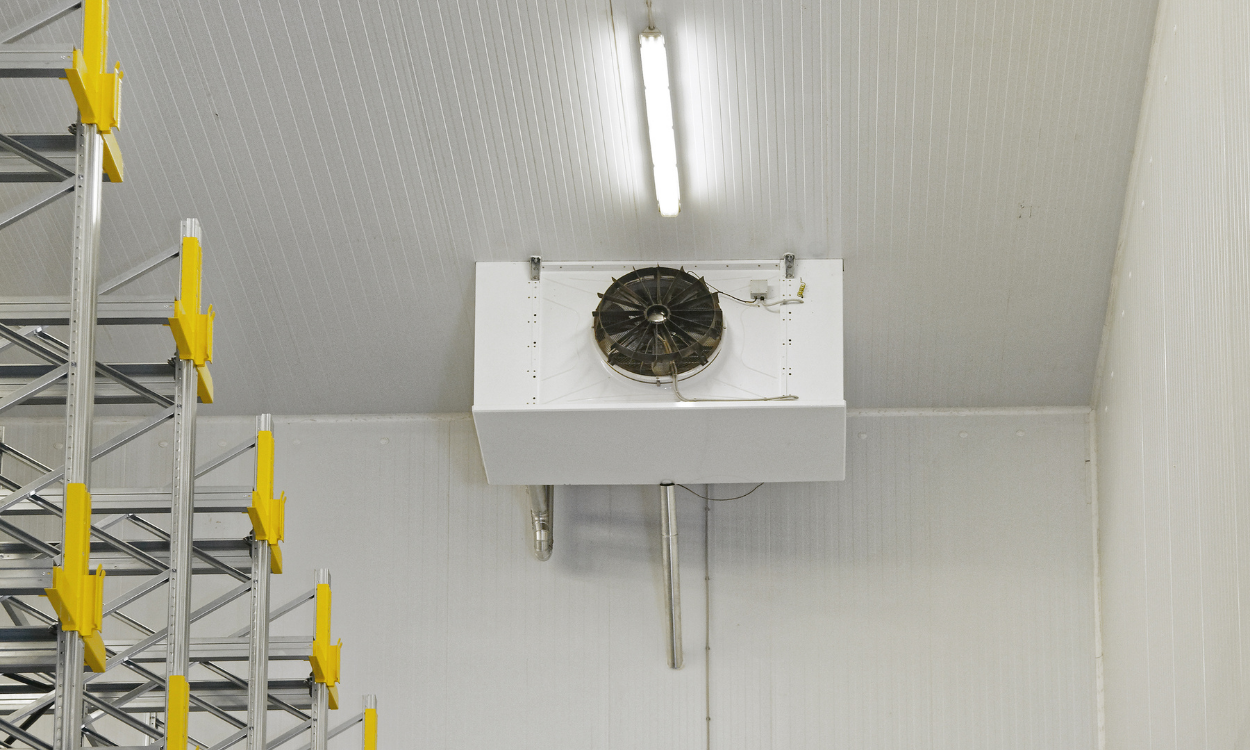
- Destratification fans are a third solution worth considering. These fans help to balance temperatures by recirculating warm air that has risen to the ceiling back down to lower levels within facilities. This process helps maintain a consistent temperature throughout the space, reduces energy waste, and lessens the workload on heating systems. The main advantages include lower energy bills, better comfort for employees, and expanding the lifespan of heating equipment.
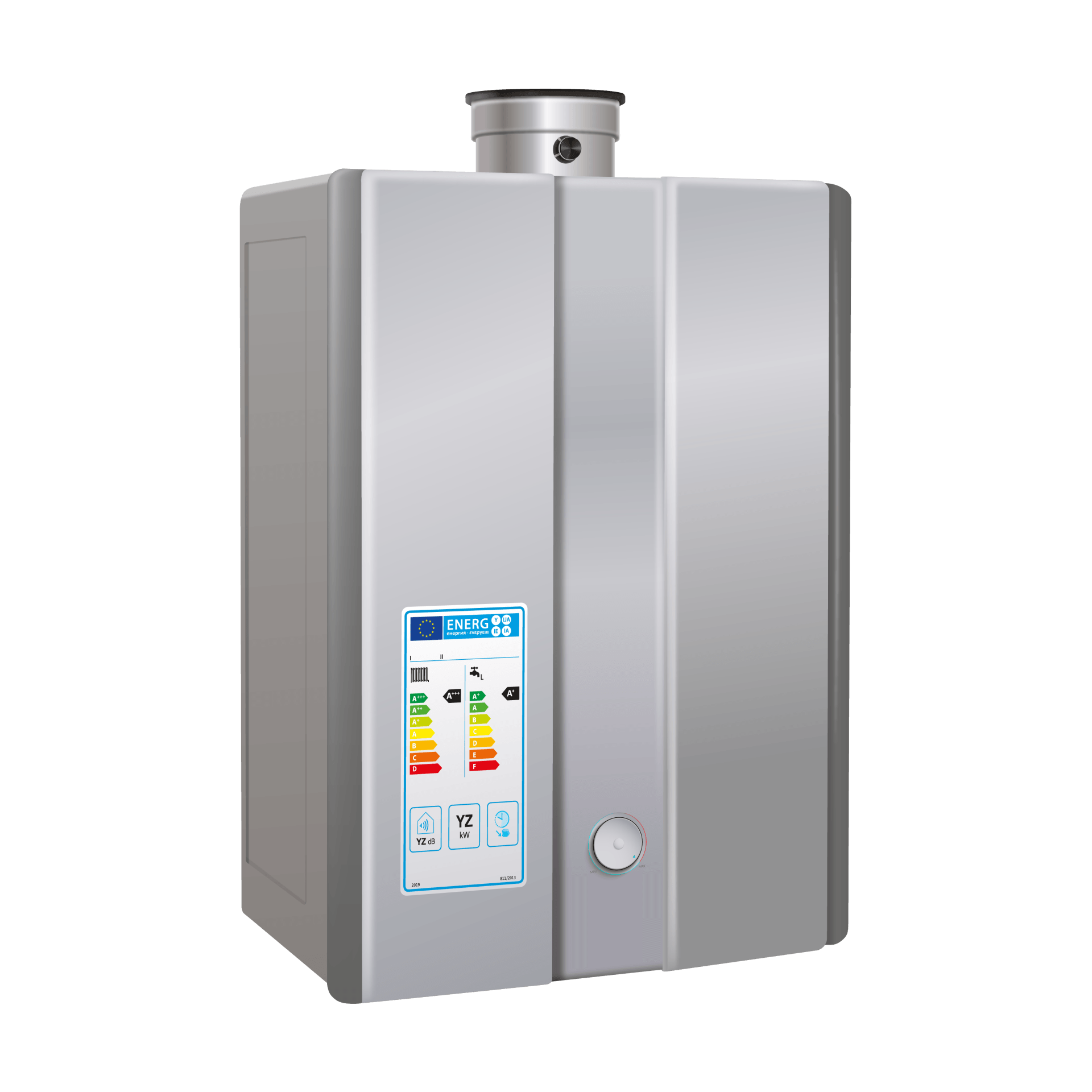
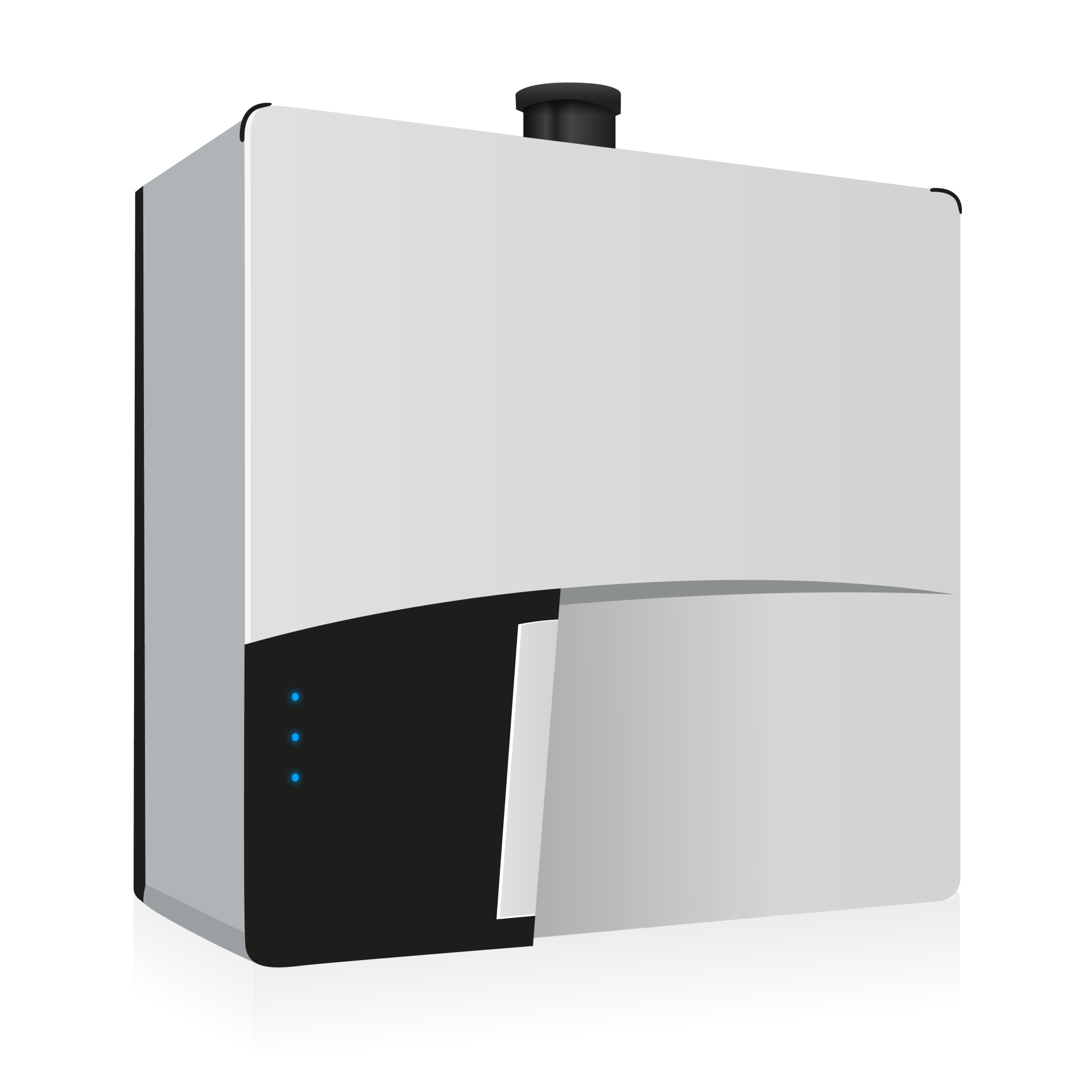
- Boiler systems are also a proven option for industrial heating needs. Boilers heat water using fuel such as gas or electricity, circulating the hot water through pipes or heat exchangers to deliver warmth across the facility. Typically operating at lower temperatures and pressures, modern hot water boilers are well-suited for commercial environments. At Factory Heaters, high-efficiency condensing boilers are available, including models that are 30% Hydrogen Blend Ready. These systems support sustainability goals and align with emission reduction targets.
- Lastly Hydrogen-ready water heaters are another suitable solution for commercial buildings. These appliances are engineered to efficiently utilise hydrogen as a fuel source, either alone or blended with natural gas. At Factory Heaters, hydrogen-ready water heater units are up to 30% Hydrogen Blend Ready, providing future-proof compatibility with evolving hydrogen infrastructure. The main benefit is their potential to reduce carbon emissions in commercial applications, supporting both operational efficiency and environmental responsibility.
All these solutions can be tailored to fit the specific needs of your commercial facility. For personalised guidance and to select the most appropriate heating system, reach out to Factory Heaters to ensure the best fit for your requirements.
In summary, the commercial heating and water solutions landscape in the UK is being rapidly transformed by the push for sustainability and the integration of advanced technologies. These changes are driven in large part by fluctuating energy prices and the resulting demand for greater efficiency and long-term cost savings.
As businesses navigate this evolving environment, it is crucial to consider solutions that not only meet immediate operational needs but also align with future trends in energy use and environmental responsibility. By staying informed and embracing innovation, companies can ensure they remain competitive and resilient in the face of ongoing market shifts. Reach out today to Factory Heaters to discuss your heating needs and requirements.
Share.
Shop Our Industrial Heating Solutions
Latest.