Overcoming Space Constraints: Compact Heating Solutions for Urban Commercial Spaces
Urban commercial spaces in the UK are under constant pressure to make the most of every square metre. From bustling retail units and busy workshops to modern offices in high-rise buildings, space is not just a luxury—it’s a critical asset. Yet, effective heating is non-negotiable, especially in a country known for its cold climate. The challenge? Providing rapid, controllable, and energy-efficient warmth without sacrificing valuable floor area. Enter compact heating solutions: a new generation of space-saving systems designed to meet the evolving needs of UK urban environments.
The Space Dilemma in Urban Commercial Properties
High-density cities like London, Manchester, and Birmingham are experiencing a commercial property squeeze. With rising occupancy costs and strict planning regulations, businesses are forced to prioritise how every inch is used. Traditional heating solutions, often reliant on bulky boilers, radiators, or extensive ductwork, are simply incompatible with these realities. Moreover, many commercial buildings are older or repurposed, presenting additional hurdles for retrofitting modern heating solutions.
Key Impacts of Space Constraints:
- External Unit Placement: Air-to-air heat pumps, while efficient, require significant clearance for airflow. In densely built areas, finding or gaining permission for external units can be a major obstacle.
- Internal Spatial Requirements: Systems that need hot water storage tanks take up precious floor space, reducing usable commercial area.
- Structural Limitations: Older buildings may not support the weight of roof-mounted equipment or the modifications needed for modern ductwork.
- Cost and Adoption: Often, these challenges push building owners toward smaller, sometimes less efficient systems, or force costly bespoke installations to hide equipment away.
Compact Heating Solutions: Maximising Warmth, Minimising Footprint
To address these challenges, manufacturers and engineers have developed a suite of compact, energy-efficient heating options tailored for urban commercial spaces.
1. Suspended Warm Air Heating Units
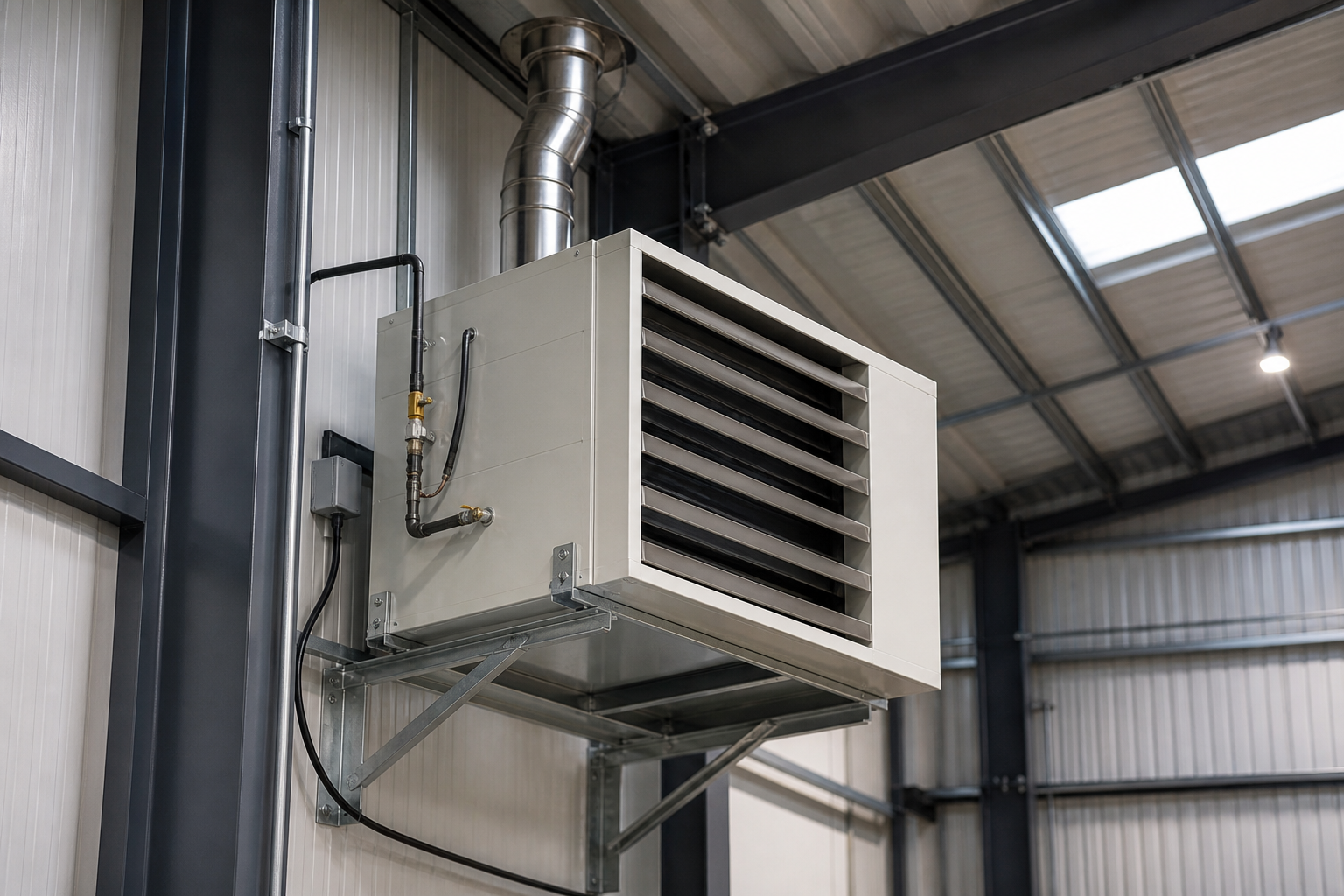
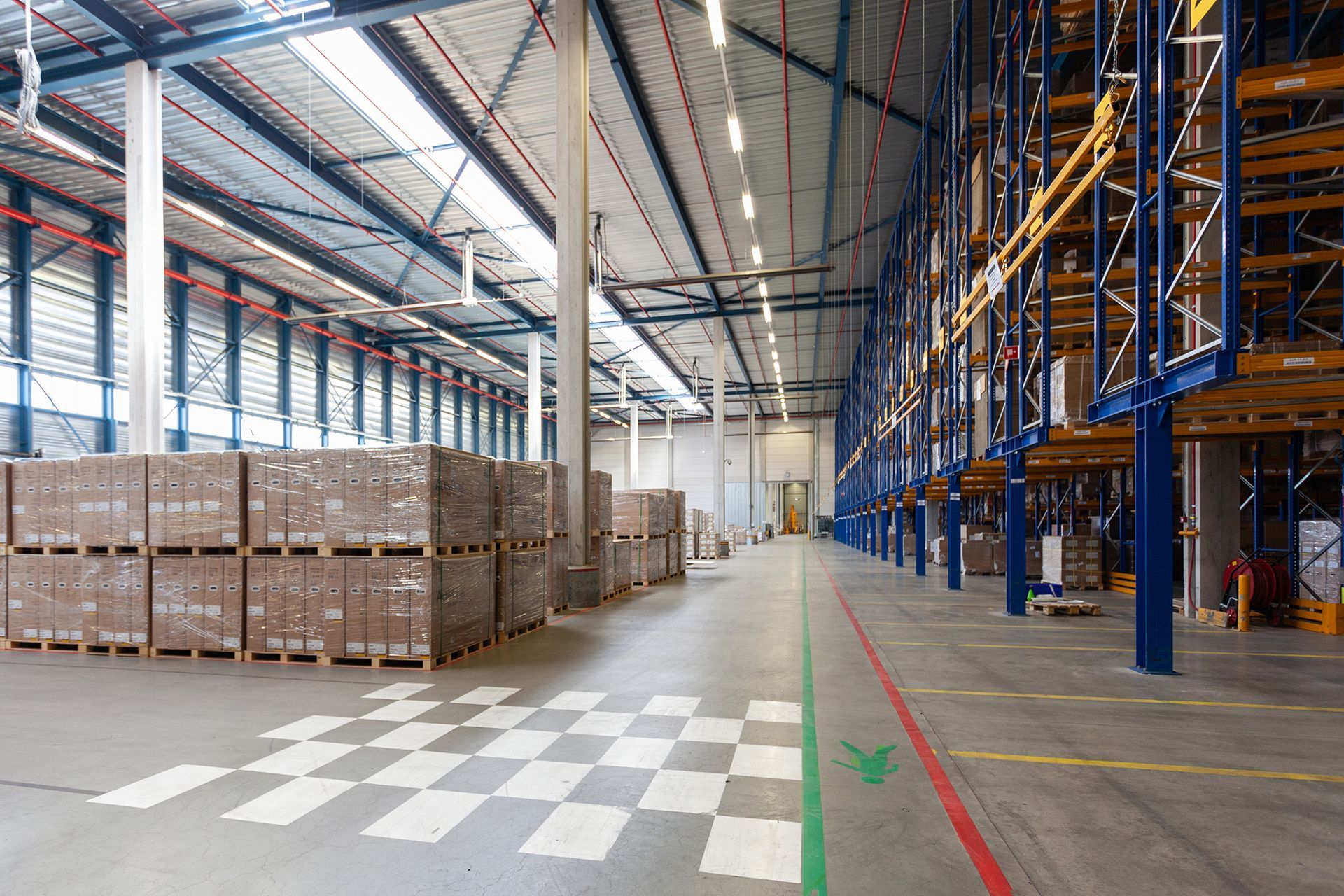
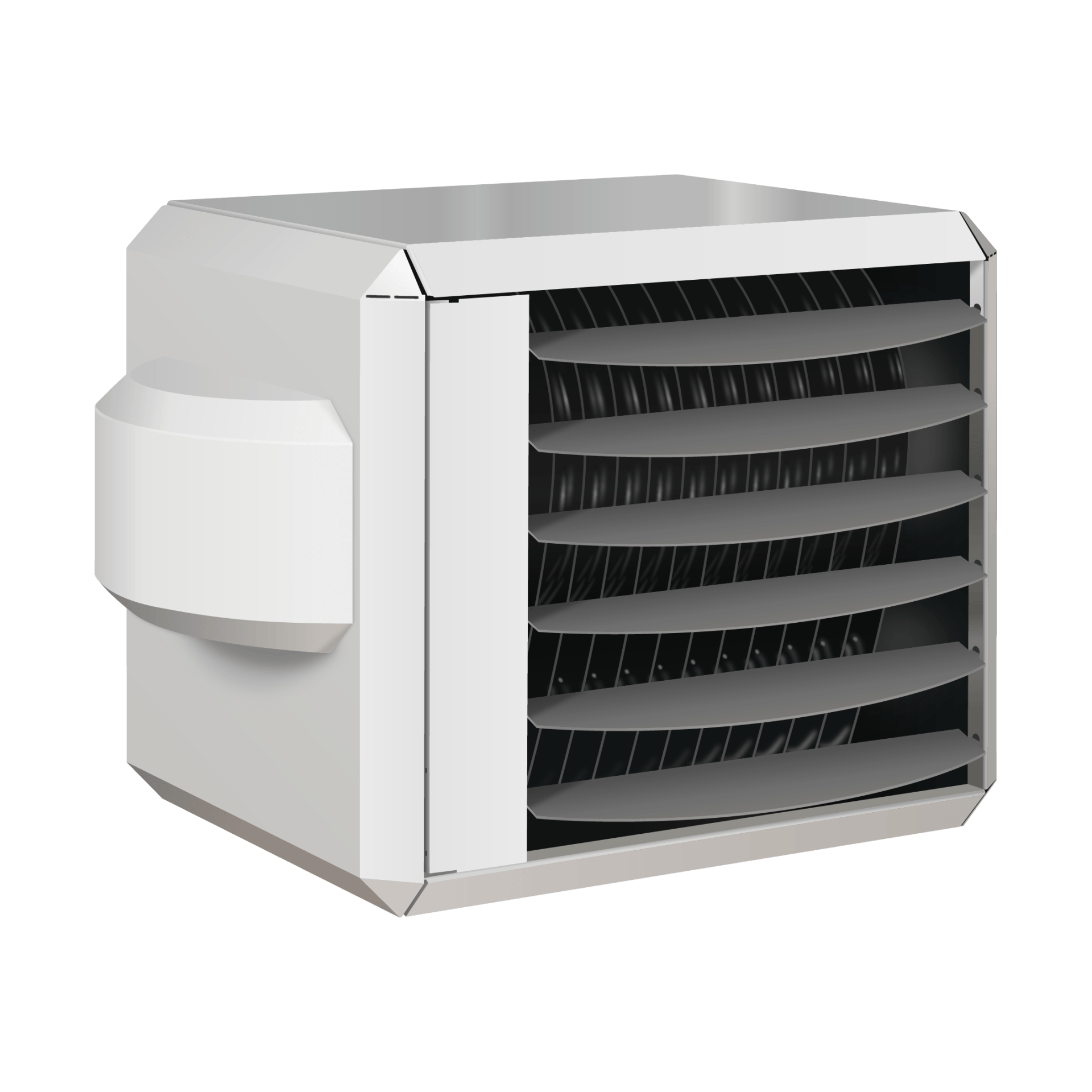
One of the most effective ways to reclaim floor space is by taking the heating off the ground—literally. Suspended warm air heating units can be mounted on walls or ceilings, making them ideal for workshops, retail units, and warehouses. By freeing up valuable floor area, businesses can optimise their layouts without compromising comfort. These units are also quick to install and provide rapid, even heat distribution, which is especially useful in spaces with frequent door openings or high ceilings.
2. High-Efficiency Condensing Warm Air Heaters
Condensing warm air heaters are a leap forward in both efficiency and performance. Designed to recover more heat from combustion gases, these systems deliver fast, consistent warmth while keeping energy usage—and carbon emissions—low. Their compact size means they fit easily into tight spaces, making them a go-to option for urban sites where every square foot counts.
3. Electric Warm Air Heaters
In buildings where gas lines are impractical or unavailable, compact electric warm air heaters provide an easy-to-install alternative. Their small footprint and straightforward installation make them popular choices in urban environments where retrofitting gas solutions would be disruptive or costly.
4. Destratification Fans
High-ceilinged commercial spaces often struggle with heat stratification, where warm air rises and leaves lower levels cooler. Destratification fans, usually ceiling-suspended, recirculate this trapped warm air back down to the occupied zone. Not only does this improve comfort and efficiency, but it also reduces the overall heating demand.
Compact Hot Water Solutions
Heating is only one part of the equation—many urban businesses also require reliable hot water for operations. Traditional storage tanks are often too large for compact sites, prompting the need for innovative alternatives.
1. Hybrid Water Heater Systems
Hybrid systems combine the efficiency of heat pumps with secondary sources (like electric or gas boosters), achieving rapid hot water delivery without massive storage tanks. These systems are engineered to meet high demand while occupying a fraction of the space required by traditional setups.
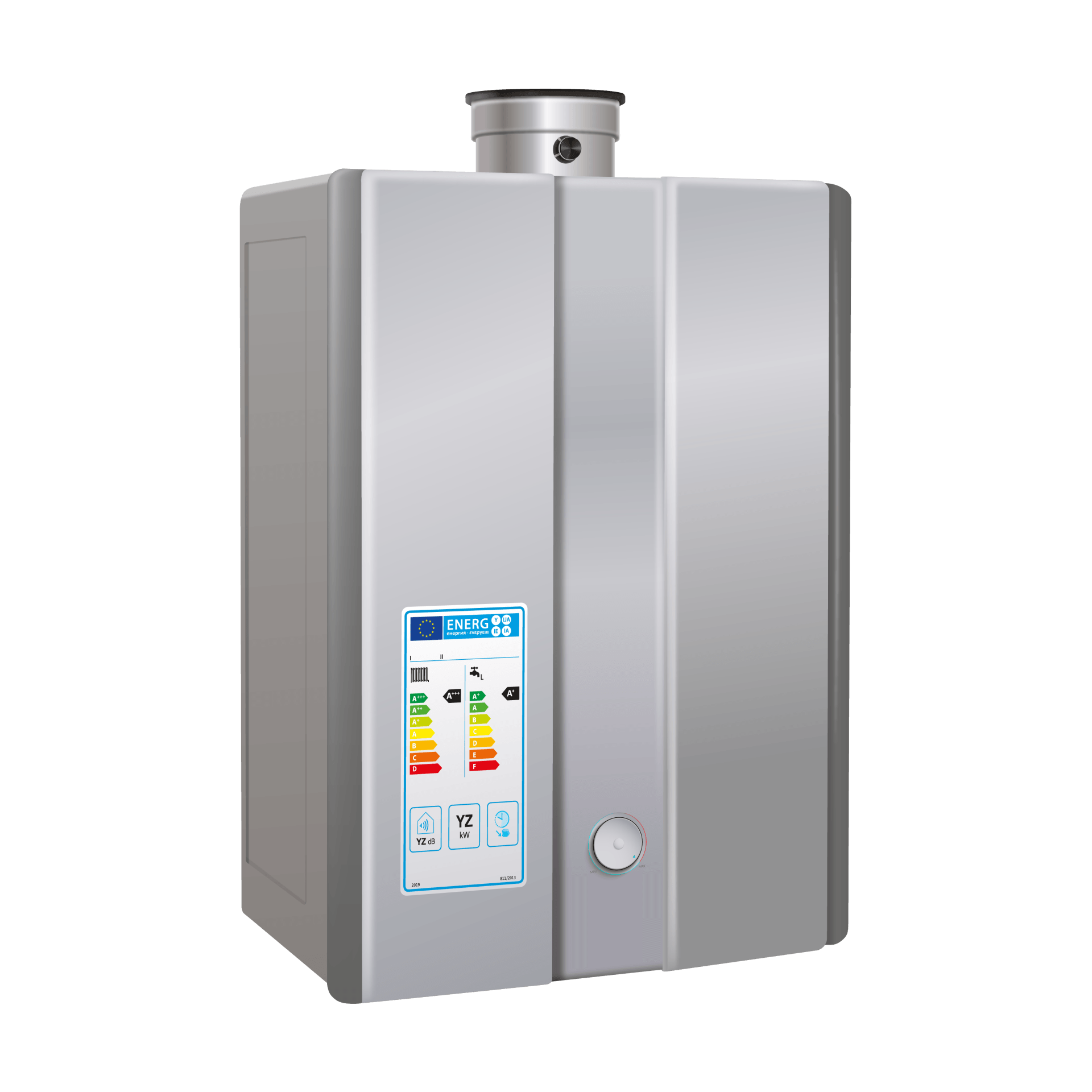
2. Hydrogen-Ready Boilers
As the energy sector explores cleaner alternatives, hydrogen is gaining traction as a promising fuel of the future. In response, boiler manufacturers are now offering hydrogen-ready models that operate on natural gas but are designed to accommodate a blend of up to 30% hydrogen with 70% natural gas—an example being the systems utilised by Factory Heaters. This approach not only safeguards current investments but also prepares commercial properties for upcoming changes in the UK gas supply, where hydrogen blending is expected to serve as a transitional solution ahead of a full switch to hydrogen.
Decarbonisation and Regulatory Compliance
The UK’s decarbonisation targets are reshaping the heating landscape. With a national shift away from fossil fuels, low-carbon technologies such as heat pumps are now at the forefront of regulatory compliance. Compact, high-efficiency systems not only help businesses meet these requirements but also contribute to lower operating costs and a reduced carbon footprint.
Key Considerations for Urban Installations
- Space Limitations: Compact heating systems can serve small properties without dominating floor plans.
- Installation Flexibility: Modern warm air systems can often be integrated with existing ductwork, minimising installation time and disruption to business operations.
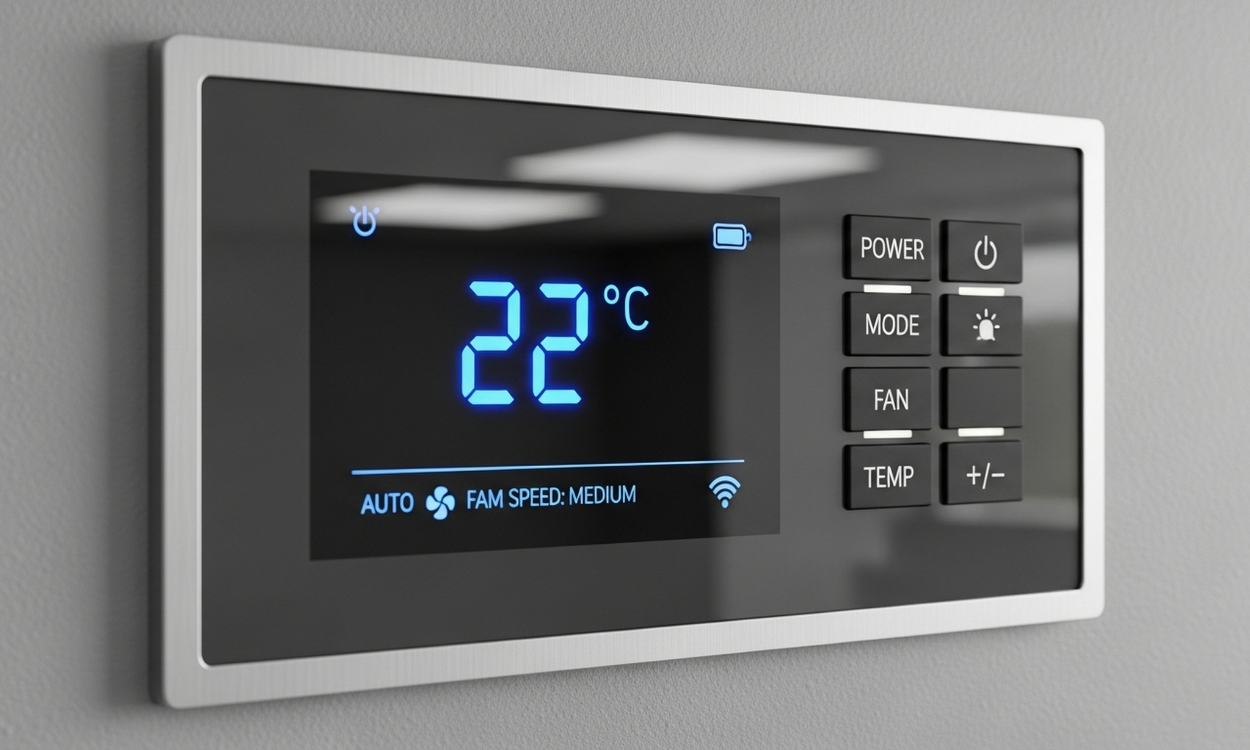
- Integration with Building Management Systems (BMS): Smart automation allows for real-time system adjustments, predictive maintenance, and energy optimisation—crucial in high-rise or multi-use buildings where access is limited.
Modular and Smart Approaches: The Future of Urban Heating
Modular heating solutions are emerging as a vital solution for space-constrained environments. These decentralised units can be distributed throughout a building, slotting into tight spaces without sacrificing efficiency. Moreover, integrating heating systems into intelligent BMS platforms provides additional benefits: remote operation, data-driven adjustments, and proactive fault detection all help to reduce energy consumption and streamline maintenance.
In high-rise developments, the reduction of plant room sizes and the strategic placement of mechanical equipment are critical. Modular and smart systems not only optimise available space but also ensure that heating system infrastructure can adapt as building usage changes over time.
For urban commercial spaces, overcoming space constraints doesn’t mean settling for less. With a wide range of compact, energy-efficient heating solutions readily available—from suspended warm air units and high-efficiency condensing heaters to hybrid hot water systems—businesses can achieve rapid, controllable warmth while maximising usable space. As decarbonisation efforts accelerate and commercial real estate becomes even more competitive, investing in smart, space-saving heating technology is not just a compliance measure—it’s a strategic advantage. Reach out to Factory Heaters today to enquire about our comprehensive range of heating solutions.
Share.
Shop Our Industrial Heating Solutions
Latest.