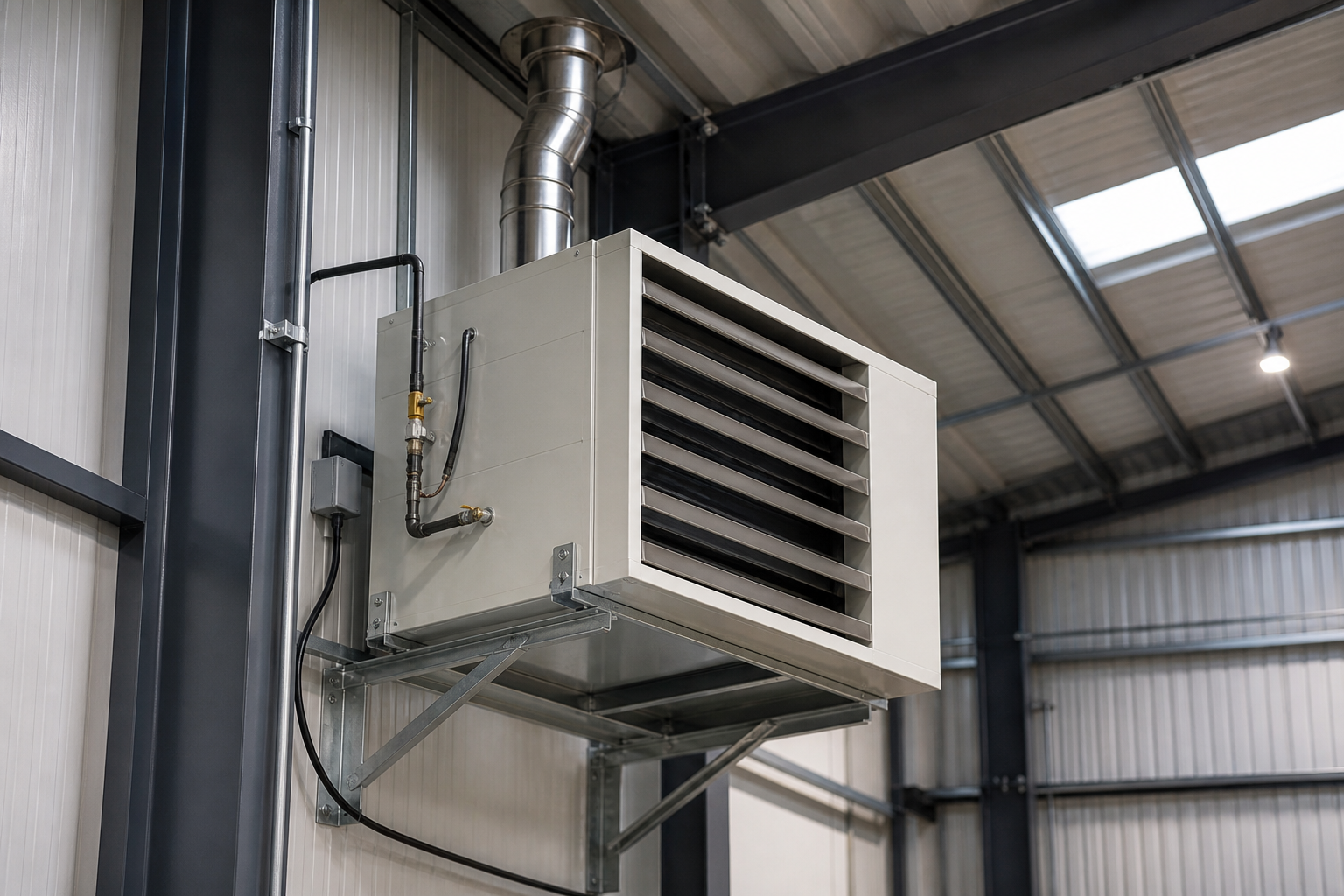
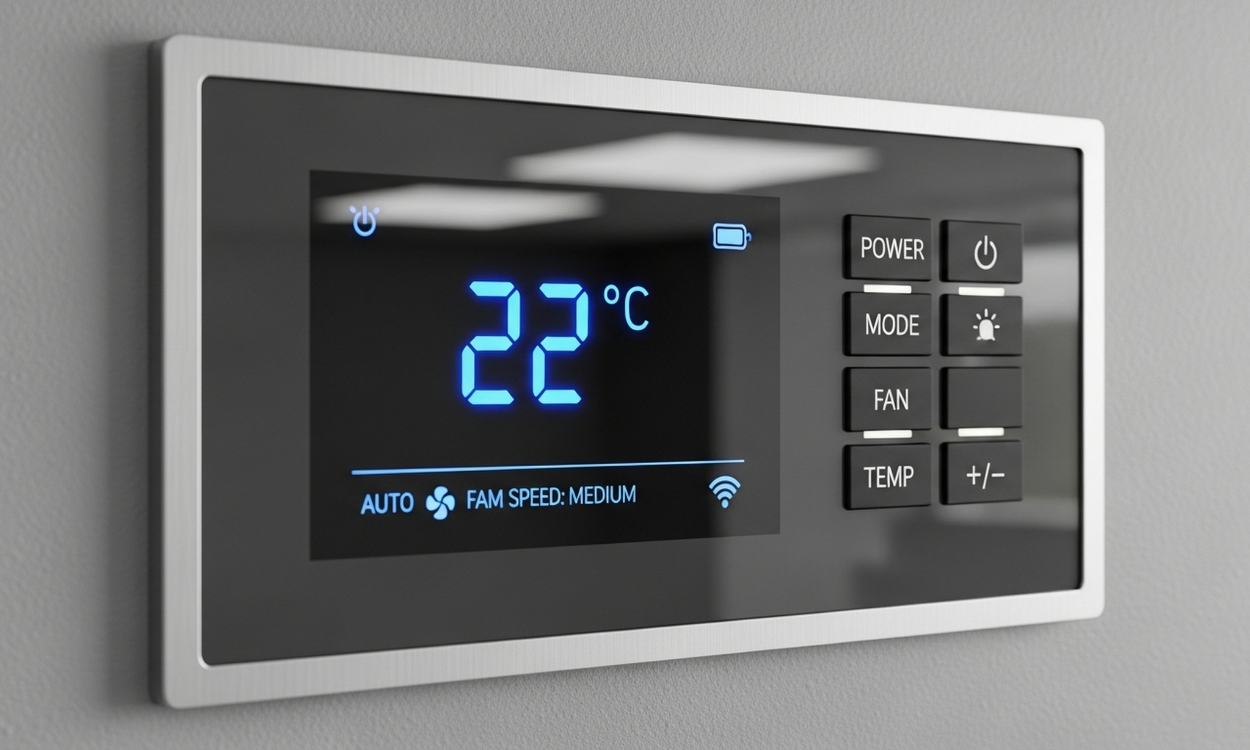
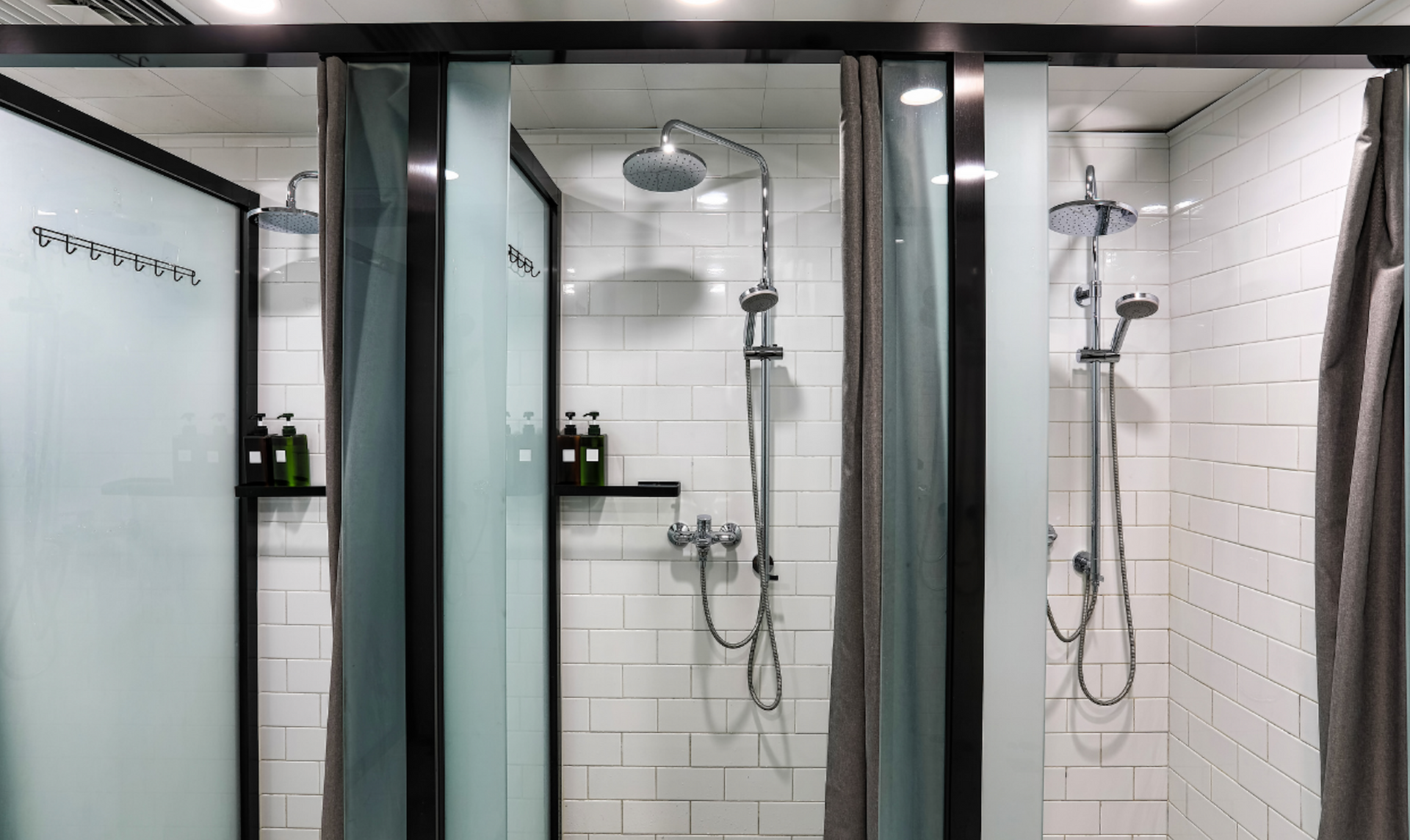
Sustainable Hot Water Heating Solutions for Hotels, Gyms, and Leisure Centres
As the UK accelerates towards its ambitious net-zero 2050 target, the hospitality, fitness, and leisure sectors face mounting pressure to decarbonise their operations. Among the most energy-hungry systems in hotels, gyms, and leisure centres is hot water heating solutions, a fundamental yet often overlooked contributor to carbon emissions and operational costs. Modern hot water heating solutions now offer energy-efficient, sustainable alternatives to traditional gas-fired boilers, combining cutting-edge technology with environmental stewardship.
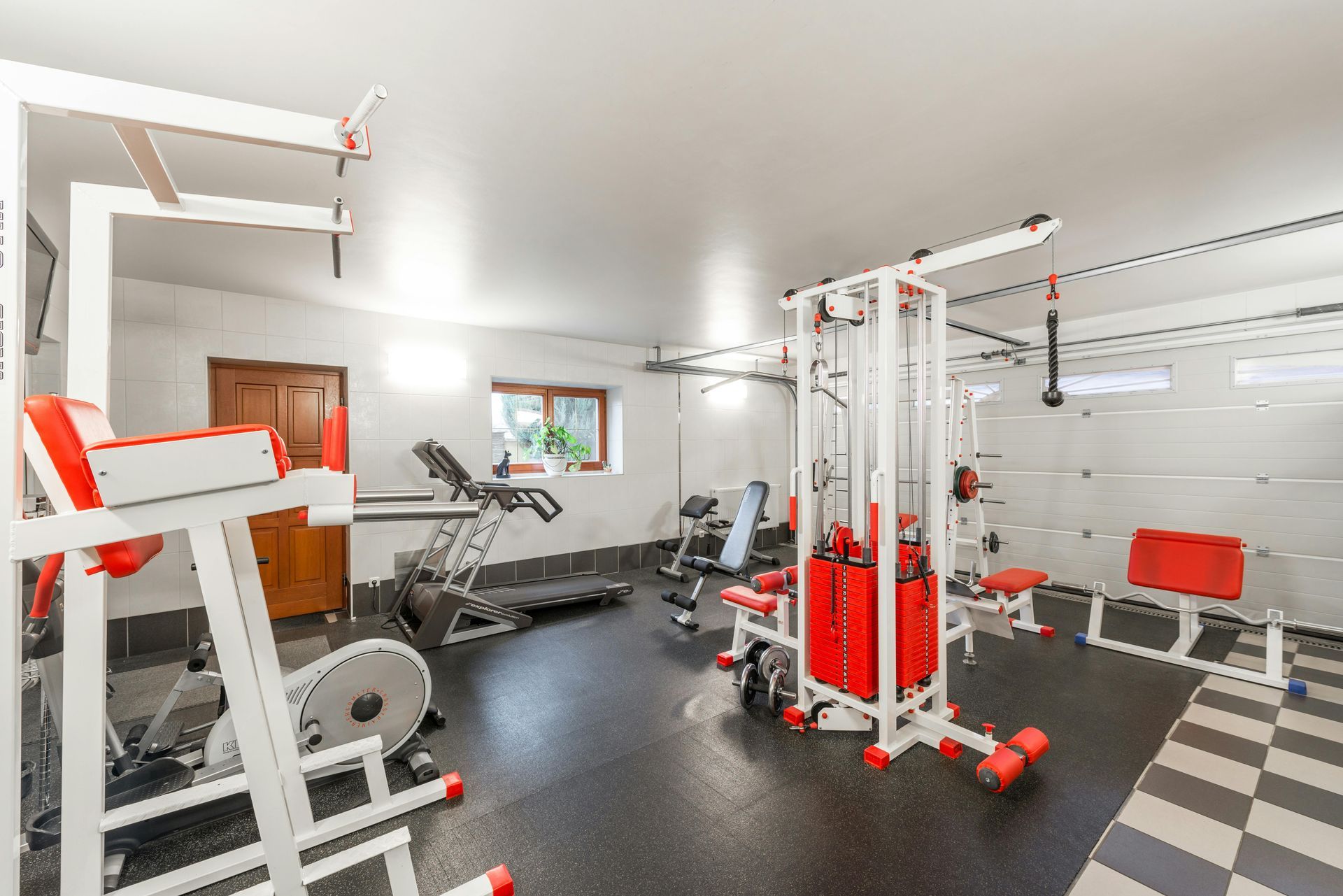
The Need for Sustainable Hot Water Heating Solutions
The transition to sustainable hot water systems is more than a regulatory requirement; it is a commercial and environmental imperative. Hotels, gyms, and leisure centres operate on high and fluctuating hot water demand profiles, from early morning showers to evening kitchen rushes. Alongside the need to maintain strict hygiene standards, businesses must also tackle rising energy prices and growing customer expectations for sustainability.
Top Sustainable Hot Water Heating Solutions
1. Air Source Heat Pumps
Air source heat pumps are increasingly popular in high-demand environments. These systems extract heat from the ambient air even at low temperatures to heat water efficiently. Typically, they are paired with electric immersion heaters for backup during peak loads or maintenance periods. Air source heat pumps are particularly well-suited for new builds and can be retrofitted into existing systems as part of a hybrid solution.
2. High-Temperature Heat Pumps
For older or legacy buildings where higher water temperatures are required, high-temperature heat pumps using refrigerants to offer a robust solution. These units provide a direct replacement for traditional systems without extensive pipework changes, making them ideal for refurbishment projects aiming to upgrade sustainability without sacrificing performance.
3. Solar Thermal Systems
Solar thermal technology uses roof-mounted collectors to harness the sun’s energy, directly heating water and reducing reliance on gas or electricity. While their effectiveness peaks on sunny days, they are often integrated with other systems to pre-heat water, lowering overall energy consumption and carbon footprint. Solar thermal is particularly effective in facilities with ample roof space and high daytime water demand.
4. Biomass Boilers
Biomass boilers burn organic materials most commonly wood pellets offering a carbon-neutral alternative to fossil fuels. These systems are especially suitable for off-grid locations and large properties with significant hot water needs. Biomass boilers not only reduce emissions but can also lower fuel costs and utilise local resources. However, they require more space and ongoing maintenance than other options.
5. Heat Recovery Systems
Innovative heat recovery technologies can capture waste heat from drain water, kitchen equipment, or HVAC systems. This heat is then used to pre-heat incoming cold water, improving overall system efficiency. Heat recovery is often incorporated in spas, swimming pools, and high-usage shower blocks, offering quick payback periods and substantial energy savings.
6. Electric Boilers
Electric boilers are gaining traction, particularly in smaller, urban properties where space is at a premium. When powered by green electricity, they provide a zero-emission replacement for gas, with the added benefits of quiet operation, low maintenance, and compact design. The main consideration can be higher running costs compared to other solutions in today’s market.
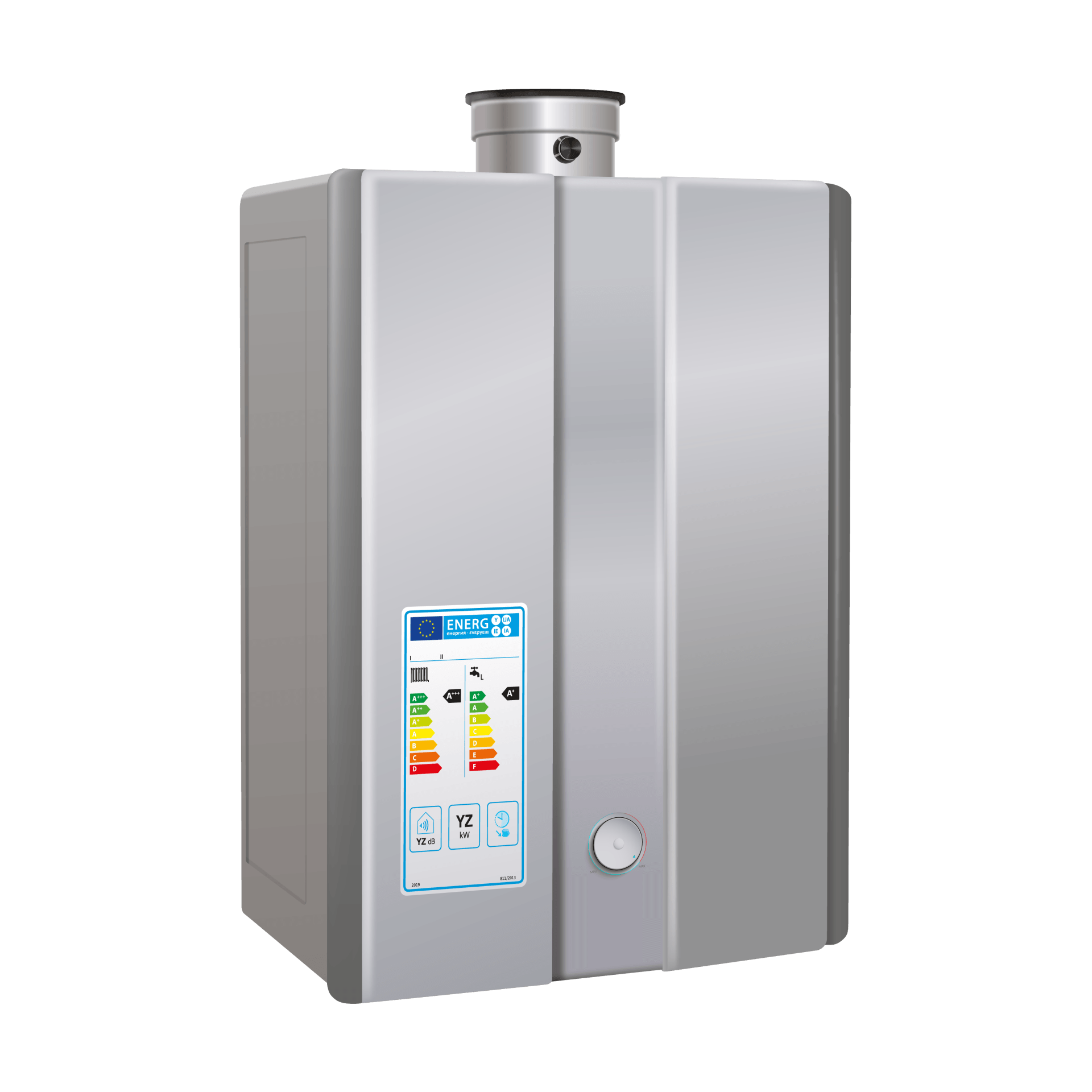
At Factory Heaters, we offer a wide range of boiler solutions to meet your everyday heating requirements.
Enquire today to learn more about our solution range.
7. Hydrogen-Ready Boilers
Looking to the future, hydrogen-ready boilers are emerging as a “future-proof” solution. Capable of running on 100% hydrogen in the future when required, these boilers are being rolled out by manufacturers and offered by suppliers in the market, such as Factory Heaters.
While not yet mainstream, they allow for seamless transition from natural gas to hydrogen as the energy landscape evolves, supporting long-term decarbonisation goals. Our hydrogen-ready boilers at Factory Heaters have the capability of blending up to 30% hydrogen with natural gas and are easily modifiable to support 100% hydrogen in the future.
Key Considerations When Selecting a System
i. Demand Profile and Accurate Sizing
The hot water usage patterns in hotels, gyms, and leisure centres are unique and highly variable. Accurate assessment of demand peaks and timings is crucial for system design. Oversized systems result in unnecessary capital expenditure and energy losses, while undersized systems can compromise guest comfort and hygiene.
ii. Storage vs. Continuous Flow
Storage-based systems are typically favoured in high-demand settings, allowing facilities to meet peak loads without oversizing heating equipment. Modern smart storage options can further enhance efficiency by optimising heat retention and reducing standby losses.
iii. Hybrid Approaches
Often, the most effective solution is a hybrid system, combining the strengths of multiple technologies. For example, air source heat pumps can meet baseline demand, with solar thermal or condensing gas boilers covering peak periods. This approach balances operational cost, efficiency, and carbon reduction, particularly in legacy buildings transitioning away from gas.
iv. Integration and Future-Proofing
System integration—such as combining heat recovery with heat pumps or ensuring new boilers are hydrogen-ready—maximises flexibility and future-proofs investments. Location, available space, budget, and electrical supply must also be factored into the decision-making process.
Regulatory Drivers and the Road Ahead
UK government regulations, including the prohibition of gas boilers in new-build homes from 2025, are accelerating the shift towards cleaner technologies. Building regulations now require condensing models for replacements, and many suppliers have committed to providing hydrogen-ready or ultra-efficient alternatives.
Why Make the Switch?
- Better Efficiency: Modern systems are typically 15-20% more efficient than traditional gas boilers.
- Cost Savings: Lower maintenance and running costs, especially with heat recovery and smart controls.
- Lower Carbon Emissions: Essential for achieving net-zero targets and meeting customer expectations.
- Future-Proofing: With gas being phased out, sustainable systems protect against future regulatory and market changes.
Sustainable hot water heating solutions are no longer optional for UK hotels, gyms, and leisure centres—they are a necessity for operational resilience, regulatory compliance, and environmental leadership. The right combination of technologies, tailored to the facility’s unique demand profile, can deliver reliable, cost-effective, and low-carbon hot water for years to come.
As the sector continues its journey towards net zero, embracing innovation in hot water heating solutions will be key to staying competitive and sustainable in a rapidly changing landscape. Get in touch with us today at Factory Heaters to discuss your heating requirements.
Share.
Shop Our Industrial Heating Solutions
Latest.