Industrial vs Commercial Boilers Guide | Factory Heaters
Selecting the right industrial or commercial boiler is a pivotal decision for any UK facility. The boiler you choose impacts not only operational efficiency and comfort but also your long-term energy costs, sustainability targets, and regulatory compliance. With a myriad of boiler types and evolving technologies, it’s crucial to understand which solution best fits your unique requirements. This comprehensive comparison explores the most common industrial and commercial boiler types and guides you through key factors to consider for an optimal, future-proof heating system.
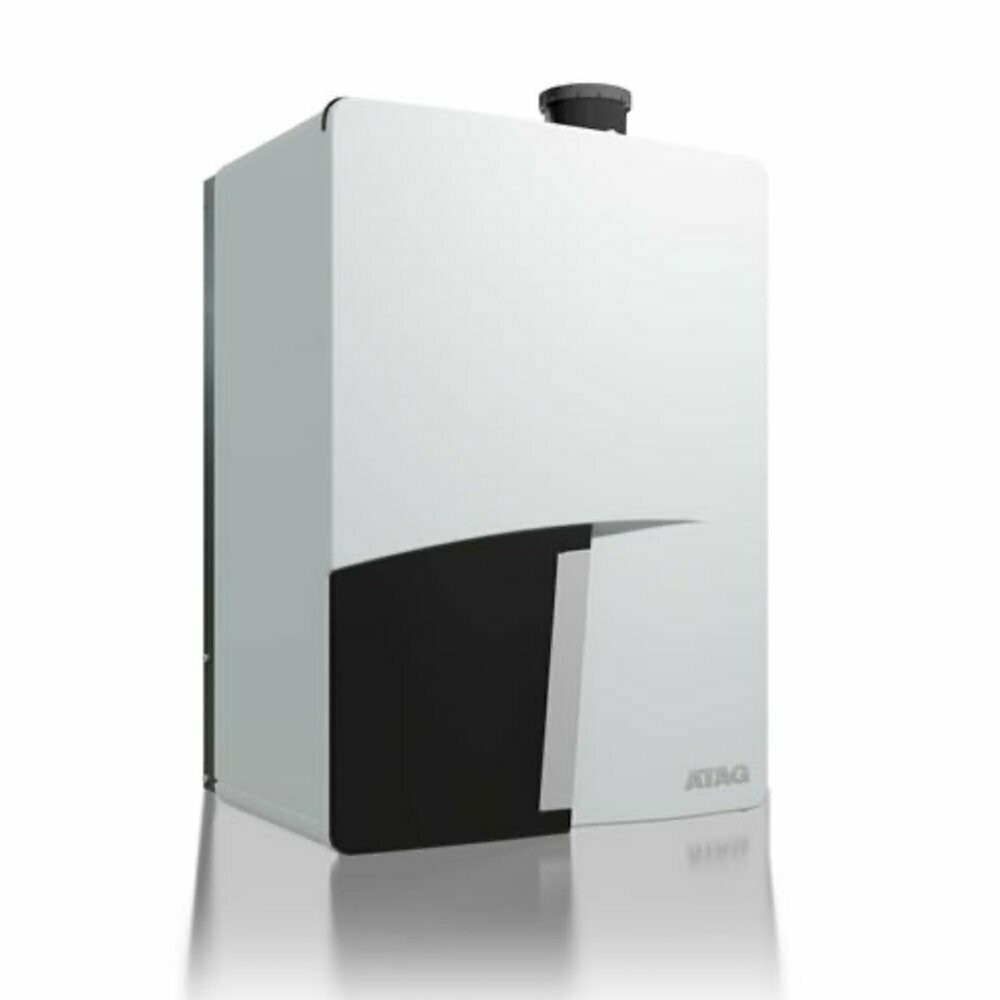
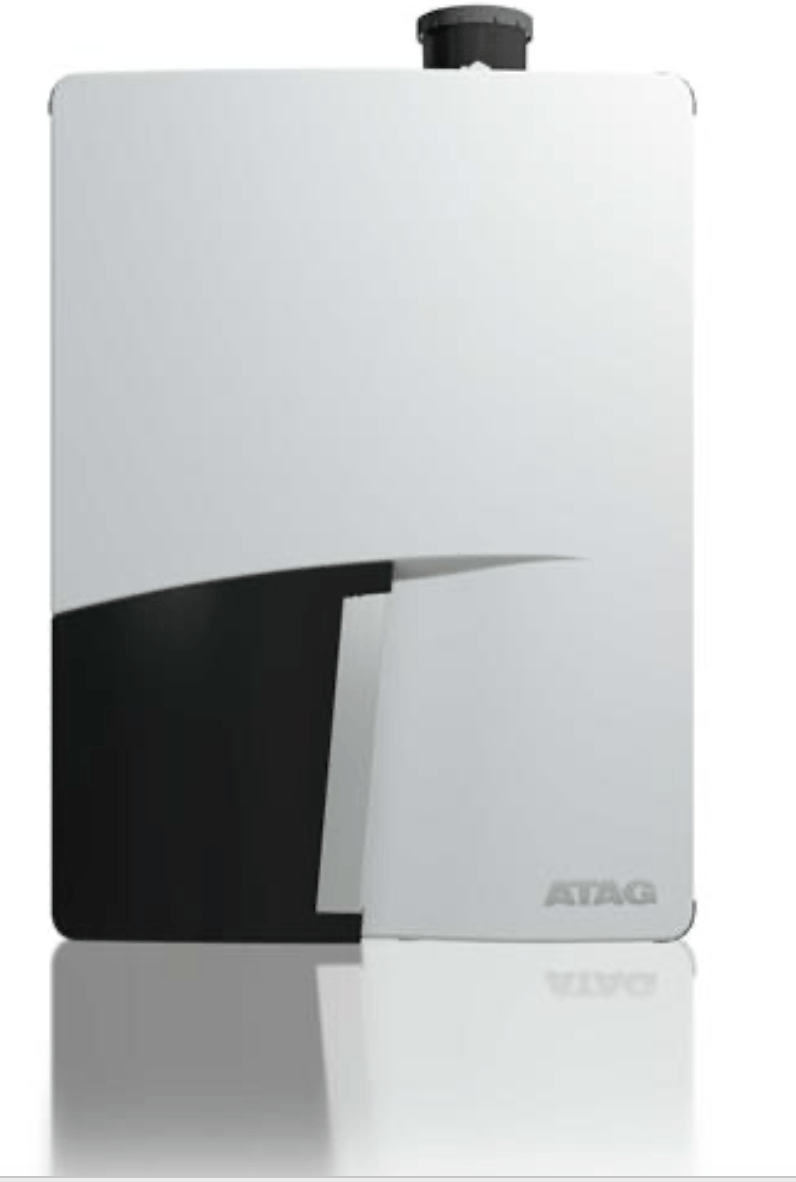
Q60SR ATAG System Boiler (60kW)
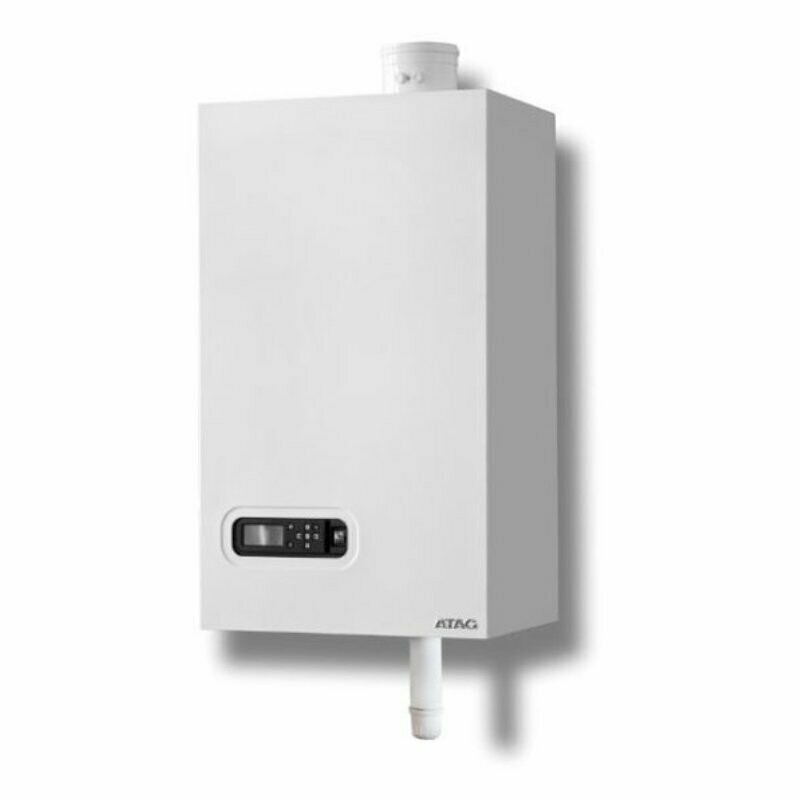
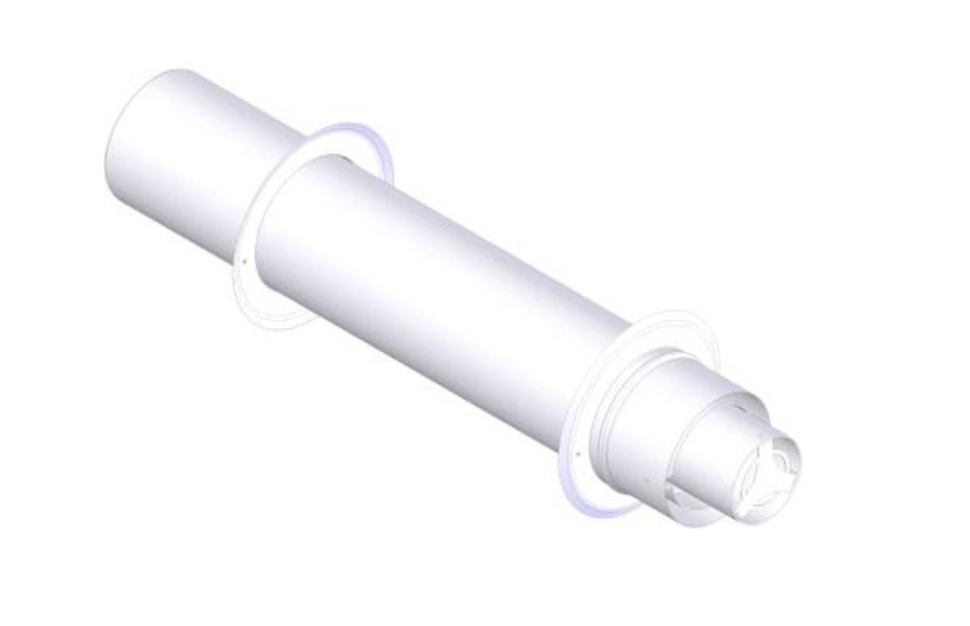
XL110 ATAG System Boiler (107kW)
XL70 ATAG System Boiler (68.5kW)
XL140 ATAG System Boiler (136kW)
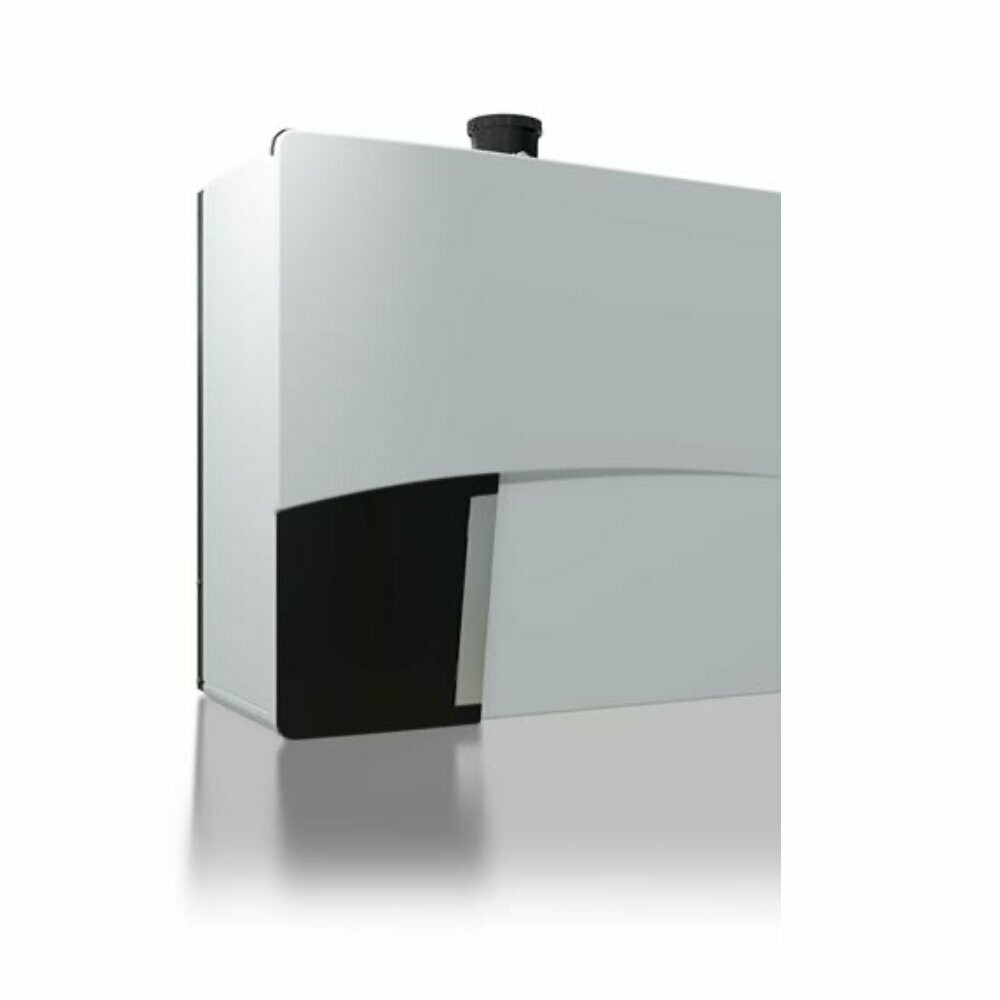
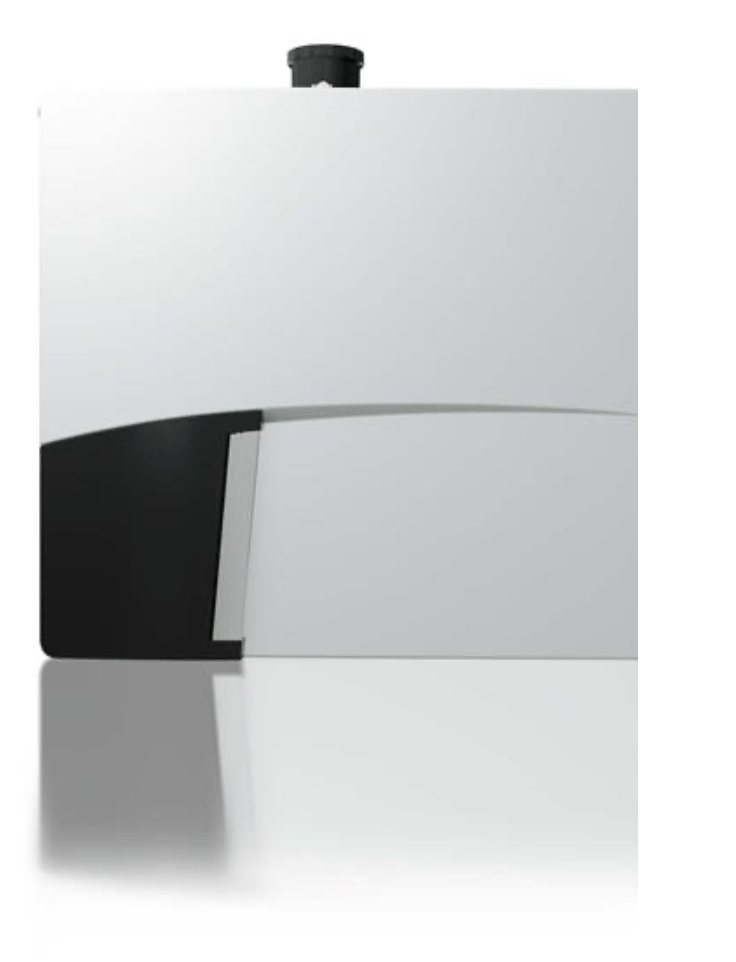
Q25CR 25kW ATAG Combi Boiler (25kW) (contact FHL directly for best price and availability - 01928 611002)
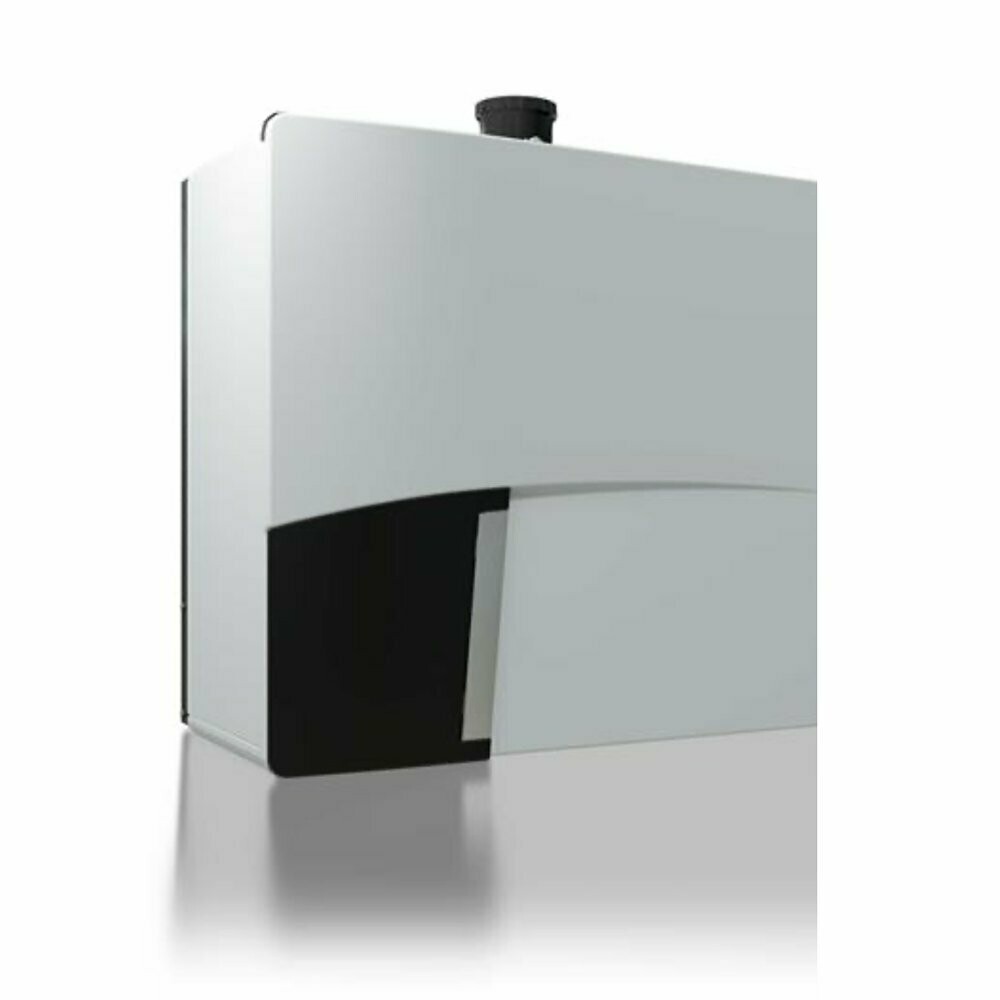
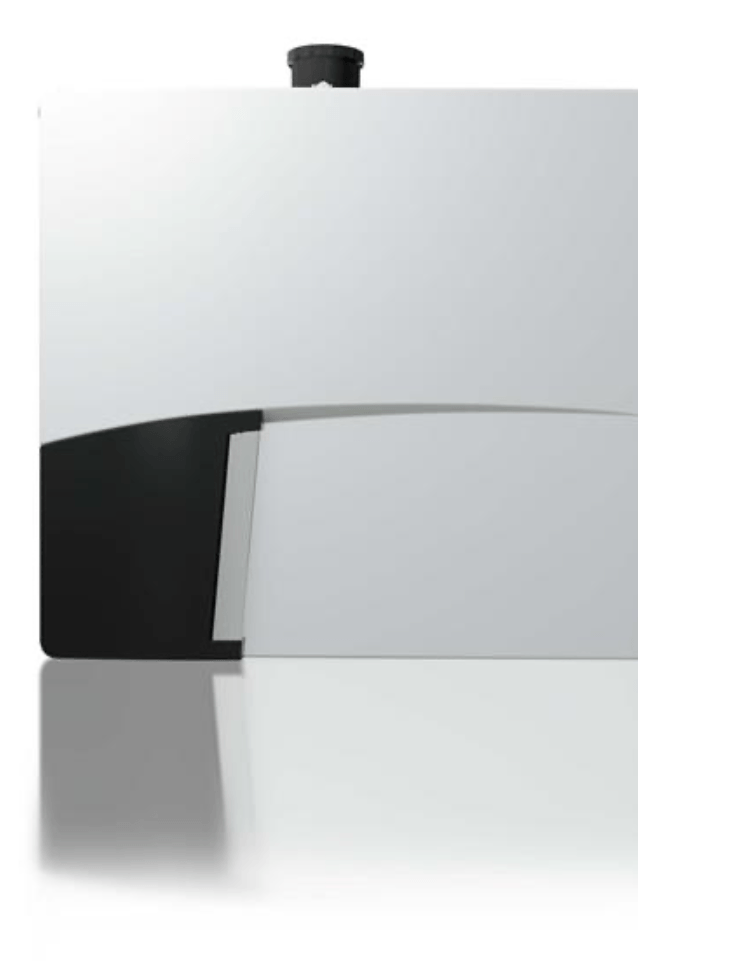
Q38CR 38kW ATAG Combi Boiler (38kW) (contact FHL directly for best price and availability - 01928 611002)
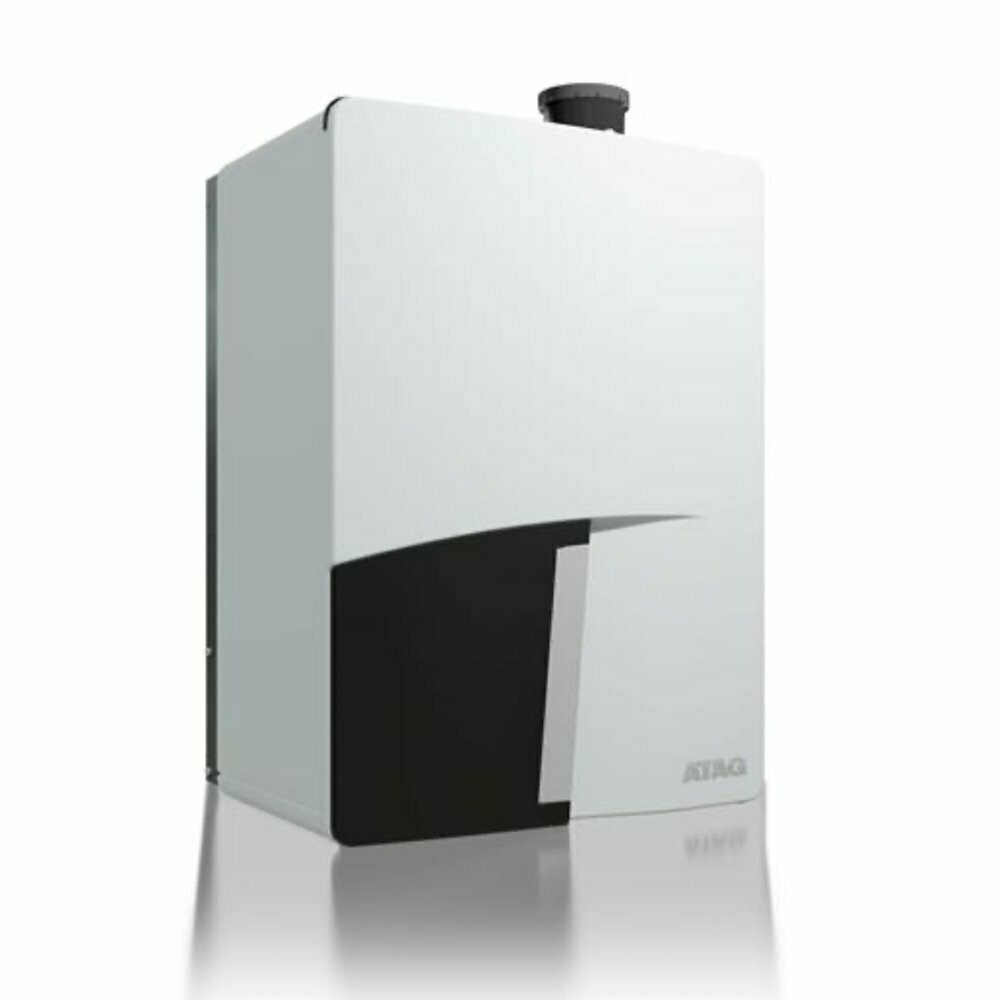
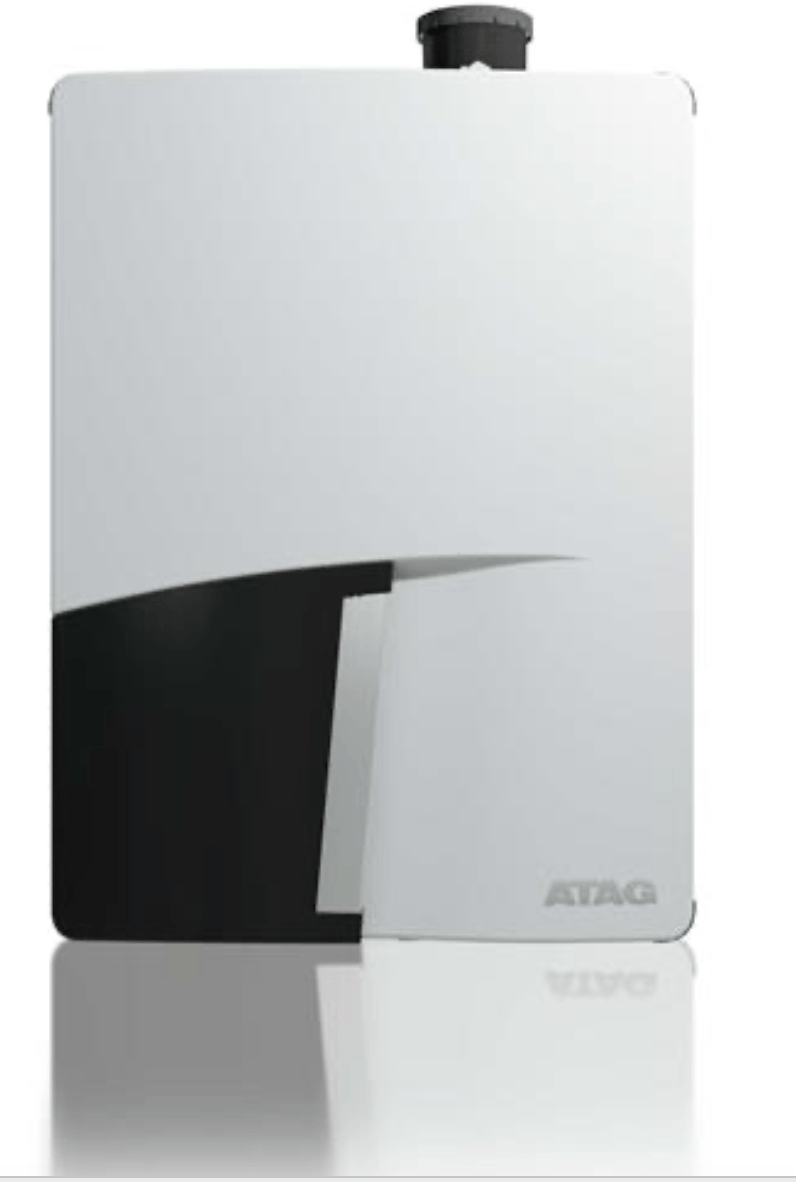
Q51SR ATAG System Boiler (51kW)
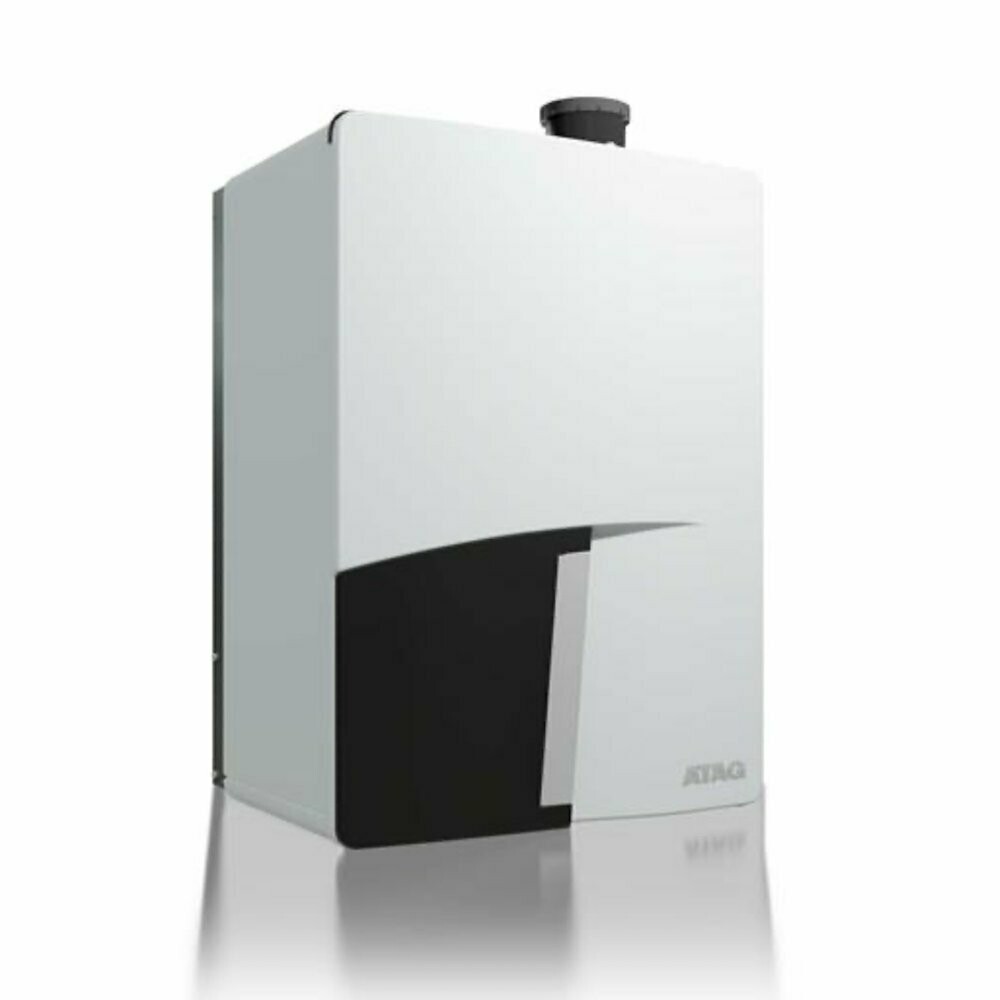
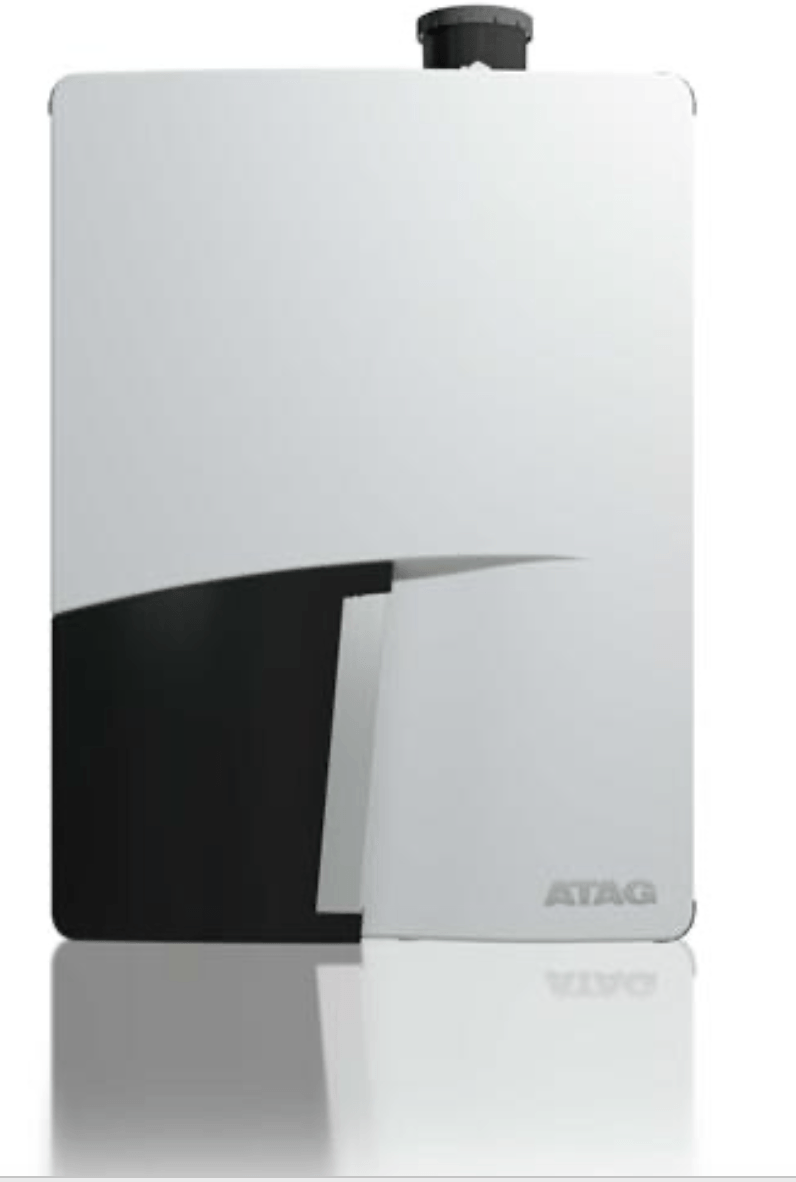
Q25SR 25kW ATAG System Boiler (contact FHL directly for best price and availability - 01928 611002)
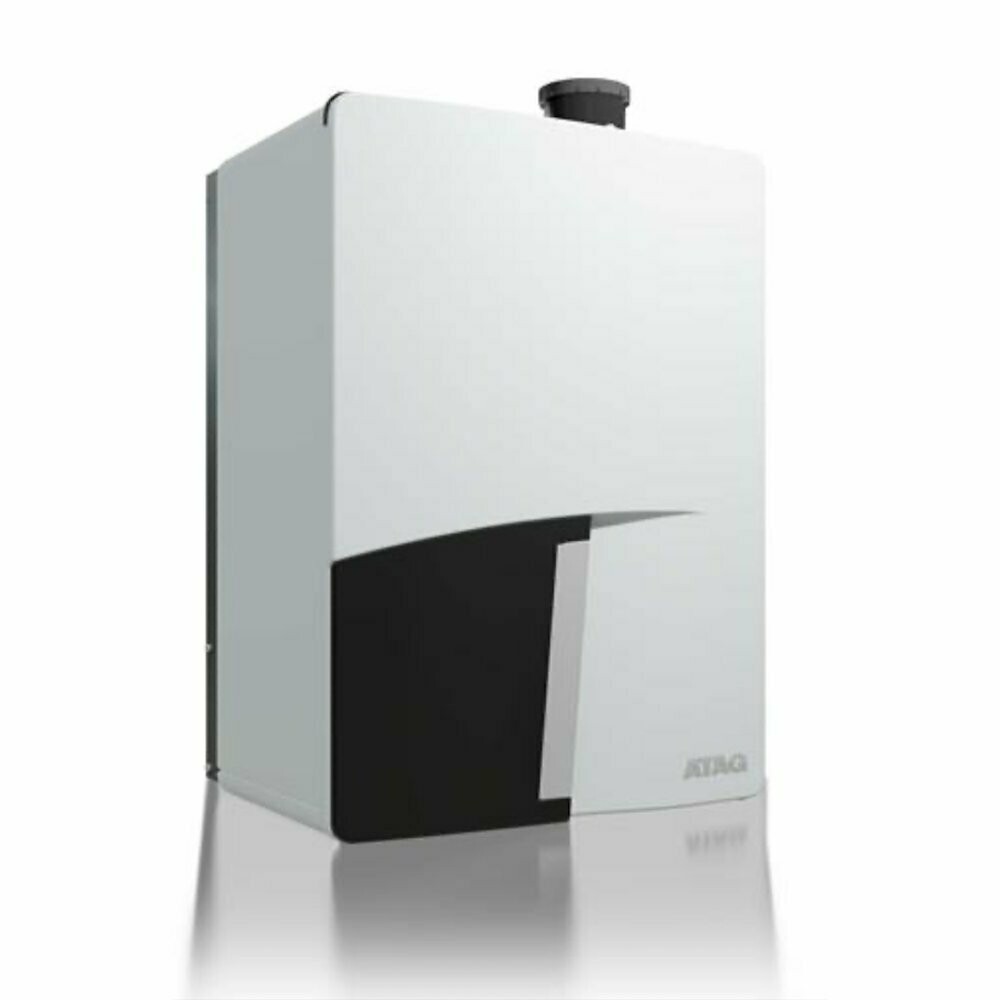
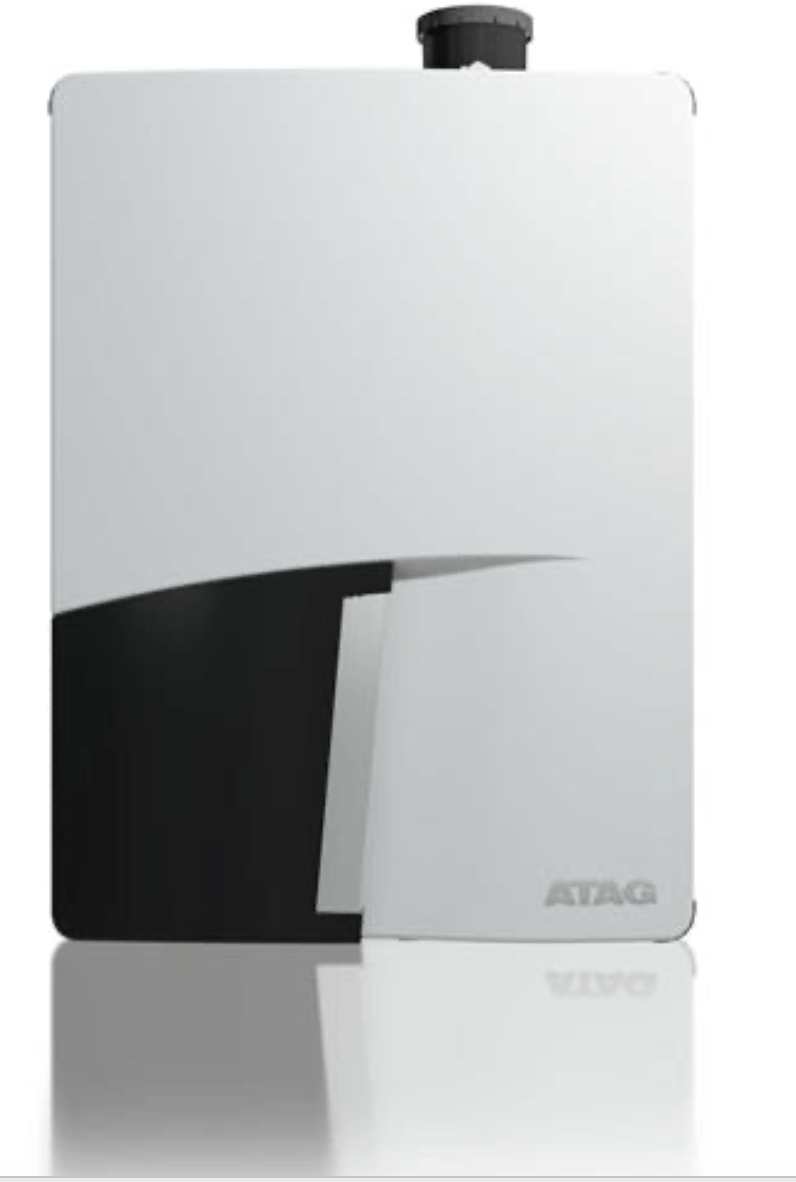
Q38SR ATAG System Boiler (38kW)
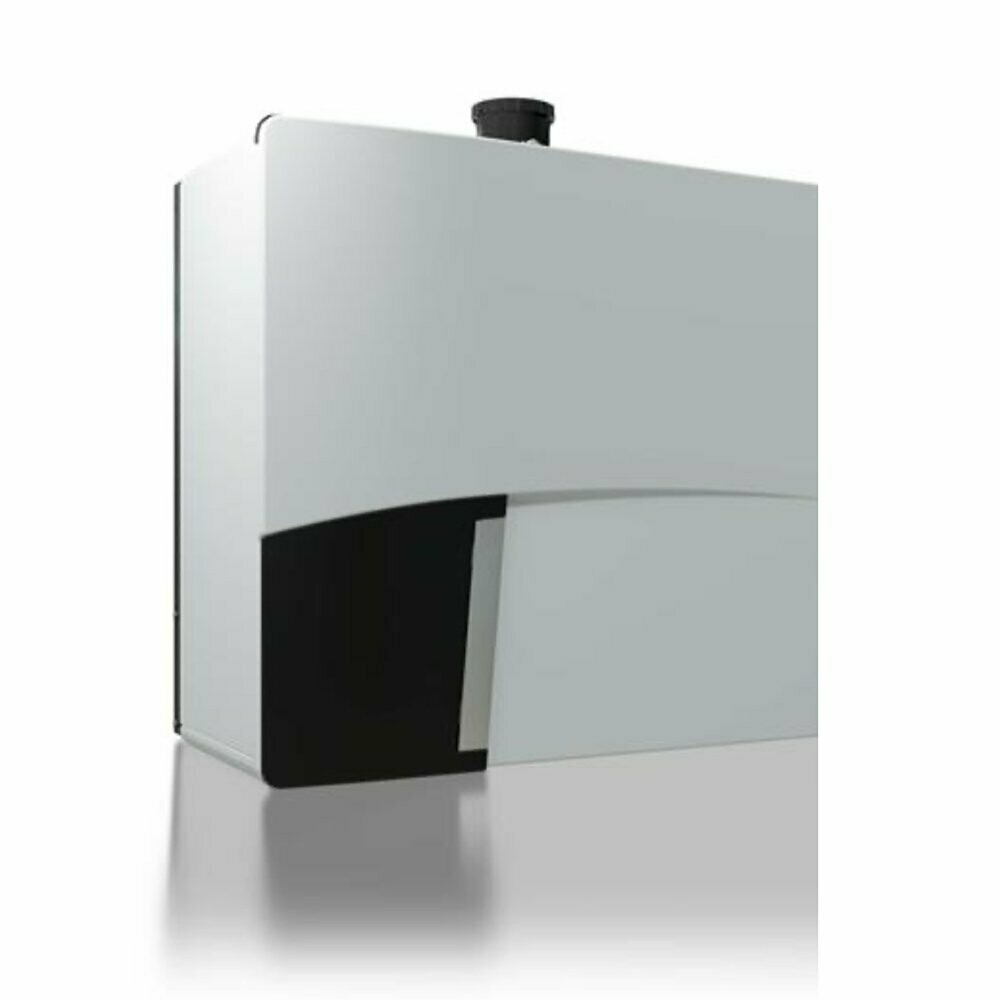
Q51CR ATAG Combi Boiler (51kW)
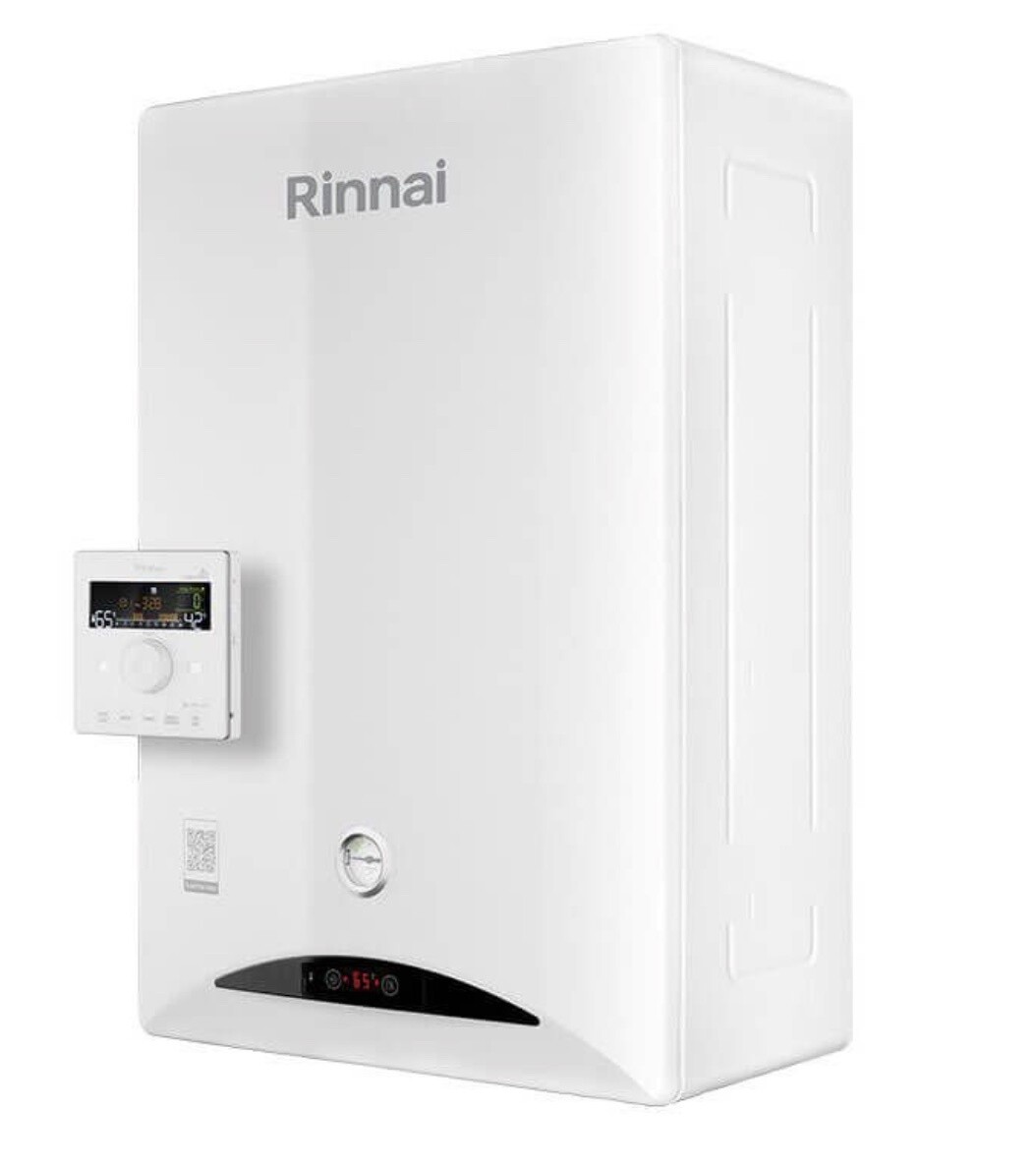
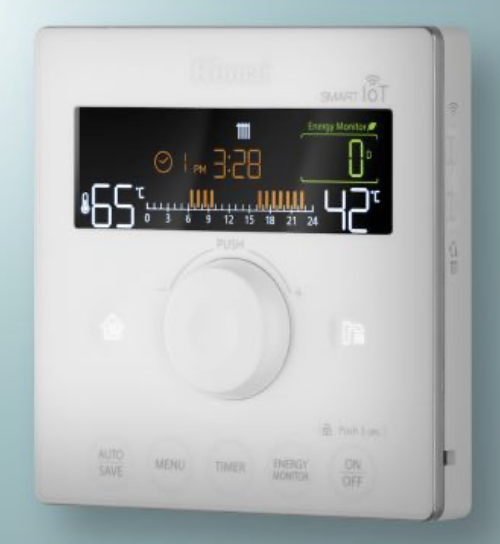
RINNAI ZEN-35 Indoor / Outdoor Combination Boiler (35kW)
RINNAI ZEN-29 Indoor / Outdoor Combination Boiler (29kW)
RINNAI ZEN-24 Indoor / Outdoor Combination Boiler (24kW)

AT-3791614 PITCHED ROOF SLATE LEAD 80/125
Understanding Core Industrial and Commercial Boilers
1. Firetube Boilers
Firetube boilers are a long-standing choice for smaller commercial environments and applications requiring moderate, steady heat. In this design, hot gases pass through tubes surrounded by water, heating it to produce steam or hot water. Their straightforward construction translates to ease of maintenance and reliable performance at lower pressures.
Best For:
- Small to medium-sized facilities
- Offices, retail spaces, and light industrial use
- Applications with consistent, moderate heating loads
Advantages:
- Cost-effective installation and operation
- Simple maintenance
- Reliable for low-pressure systems
Considerations:
- Not suitable for high-pressure or large-scale industrial processes
2. Watertube Boilers
Watertube boilers are engineered for demanding environments requiring high-capacity, high-pressure steam. Here, water circulates inside tubes that are externally heated by combustion gases, allowing the system to handle greater thermal stress and rapid load changes.
Best For:
- Large manufacturing plants
- Power generation
- Facilities with significant steam demand
Advantages:
- Handles high pressures and capacities
- Rapid response to changing demands
- Advanced safety and automation features
Considerations:
- Higher upfront and maintenance costs
- Requires skilled operation and servicing
3. Biomass Boilers
As sustainability takes centre stage, biomass boilers have gained traction in facilities aiming to reduce carbon emissions. These systems use organic materials—such as wood pellets or chips—as fuel, offering a renewable alternative to fossil fuels.
Best For:
- Facilities prioritising environmental goals
- Organisations seeking to leverage renewable energy
Advantages:
- Lower carbon footprint
- Eligibility for green grants or incentives
- Utilises renewable, locally sourced fuels
Considerations:
- Requires a reliable fuel supply chain
- Maintenance and storage considerations
4. Electric and Commercial Boilers
Electric steam and hot water boilers are increasingly popular for smaller premises or where emissions and noise must be minimised. Their compact, modular design suits offices, retail units, and urban settings.
Factory heaters specialise in commercial and industrial heating solutions, including boilers. Here at Factory Heaters sustainability is top of mind across our solutions. Our boilers have the capability of utilising 30% hydrogen in combination with natural gas. This is further extended with the ability for them to be easily modifiable to support 100% hydrogen in the future. Reach out today to explore our available boiler solutions.
Best For:
- Small commercial spaces
- Urban buildings with limited installation space
Advantages:
- Quiet operation and zero on-site emissions
- Minimal maintenance
- Easy to install in compact rooms
Considerations:
- Higher running costs if electricity rates are not favourable
- Limited suitability for large-scale or high-pressure demands
5. Geothermal and Condensing Options
Innovations such as geothermal heating and condensing boilers are transforming commercial heating. For example, Geothermal systems have the capability to reduce energy bills by as much as 50%. On the other hand, condensing boilers can recover large amounts of wasted heat from exhaust gases. It’s reported that condensing boilers can reach efficiencies up to 98%.
Best For:
- Facilities aiming for maximum energy efficiency
- Sites with access to suitable ground or space for geothermal systems
Key Factors in Selecting Industrial and Commercial Boilers
i. Capacity and Pressure Requirements
The heating load and required pressure are fundamental. Firetube boilers suit low-pressure, steady loads, while watertube designs are essential for high-pressure and fluctuating demands. Oversizing leads to wasted energy and increased costs; undersizing risks system failure. Reach out today, to organise a comprehensive site survey with Factory Heaters.
ii. Facility Size and Layout
Larger, multi-zone buildings—such as warehouses or leisure centres—demand high-capacity systems and flexible zoning. Smaller sites benefit from compact, modular solutions. Assess the installation area and distribution method (radiant, ducted, hydronic) to ensure compatibility.
iii. Fuel Type and Availability
Local availability of natural gas, oil, biomass, or electricity directly influences your choice. Biomass and geothermal options may attract green incentives, but only if fuel supply and infrastructure support them. The choice of fuel also impacts regulatory compliance and sustainability outcomes.
iv. Efficiency and Lifecycle Costs
A common pitfall is focusing only on upfront costs. The real expense of a boiler lies in its operational life. High-efficiency systems can dramatically reduce annual fuel bills. For example, a condensing boiler might cost more to install but save thousands per year in fuel, yielding significant savings over a decade.
Always compare:
- Annual energy costs
- Maintenance and planned preventative maintenance schedules
- Expected lifespan and warranty
- Potential for grants or financing
v. Regulatory Compliance and Safety
UK regulations, including those set by the Gas Safe Register and SFG20 standards, govern installation, operation, and maintenance. Non-compliance can result in increased costs, legal issues, and safety risks. Ensure your chosen boiler and contractor meet all local requirements and provide comprehensive documentation.
vi. Sustainability Targets
With the UK’s net-zero goals, high-efficiency and renewable heating solutions are no longer optional they’re a strategic imperative. Biomass, geothermal, and electric boilers help future-proof your facility against tightening emissions standards and rising fuel costs.
Maintenance, Safety, and Operational Longevity
Boiler systems are robust but require regular maintenance to operate safely and efficiently. Proactive servicing prevents costly breakdowns and extends system lifespan. With advanced technology, digital monitoring and automation can now enable early detection of issues, minimising downtime and ensuring compliance.
Routine checks should cover:
- Treatments
- Pressure and temperature controls
- Inspection of combustion and venting systems
- Documentation and record-keeping for compliance
Making the Right Choice: A Strategic Approach
The foundation of the best heating solution is an accurate assessment of your facility’s needs. Avoid the trap of “cheap upfront” systems, which often cost more in energy and maintenance over time. Proper sizing, professional installation, and a full lifecycle cost analysis prevent most heating failures and maximise returns.
Checklist for Selecting Industrial and Commercial Boilers:
- Full heat loss and demand survey
- Lifecycle cost comparison
- Fuel and efficiency analysis
- Regulatory compliance check
- Maintenance and aftercare plan
- Consideration of sustainability and future regulations
Choosing the right industrial or commercial boiler is about much more than just heating, it’s a strategic investment in your facility’s performance, sustainability, and long-term cost control. Whether you opt for the simplicity of a firetube boiler, the power of a watertube system, or the green credentials of a biomass or geothermal solution, the key is a tailored approach.
Partnering with knowledgeable professionals ensures your system is sized, installed, and maintained for optimal efficiency, safety, and peace of mind for years to come. Our team of experts at Factory Heaters are here to help. Enquire today, and we’ll be in touch to discuss your requirements.
Share.
Shop Our Industrial Heating Solutions
Latest.